WSP Meaning in Text: What Does WSP Mean in Texting?
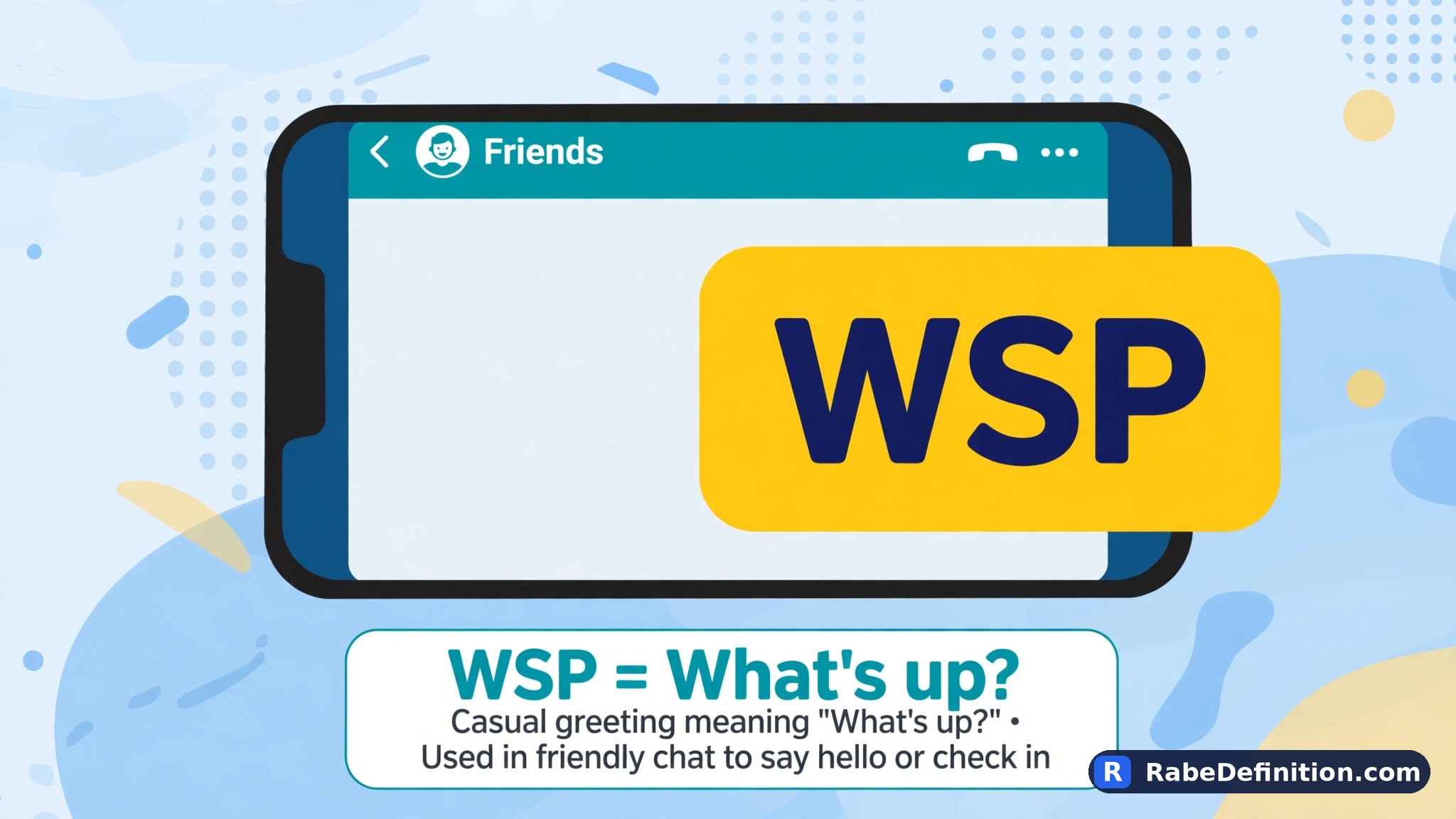
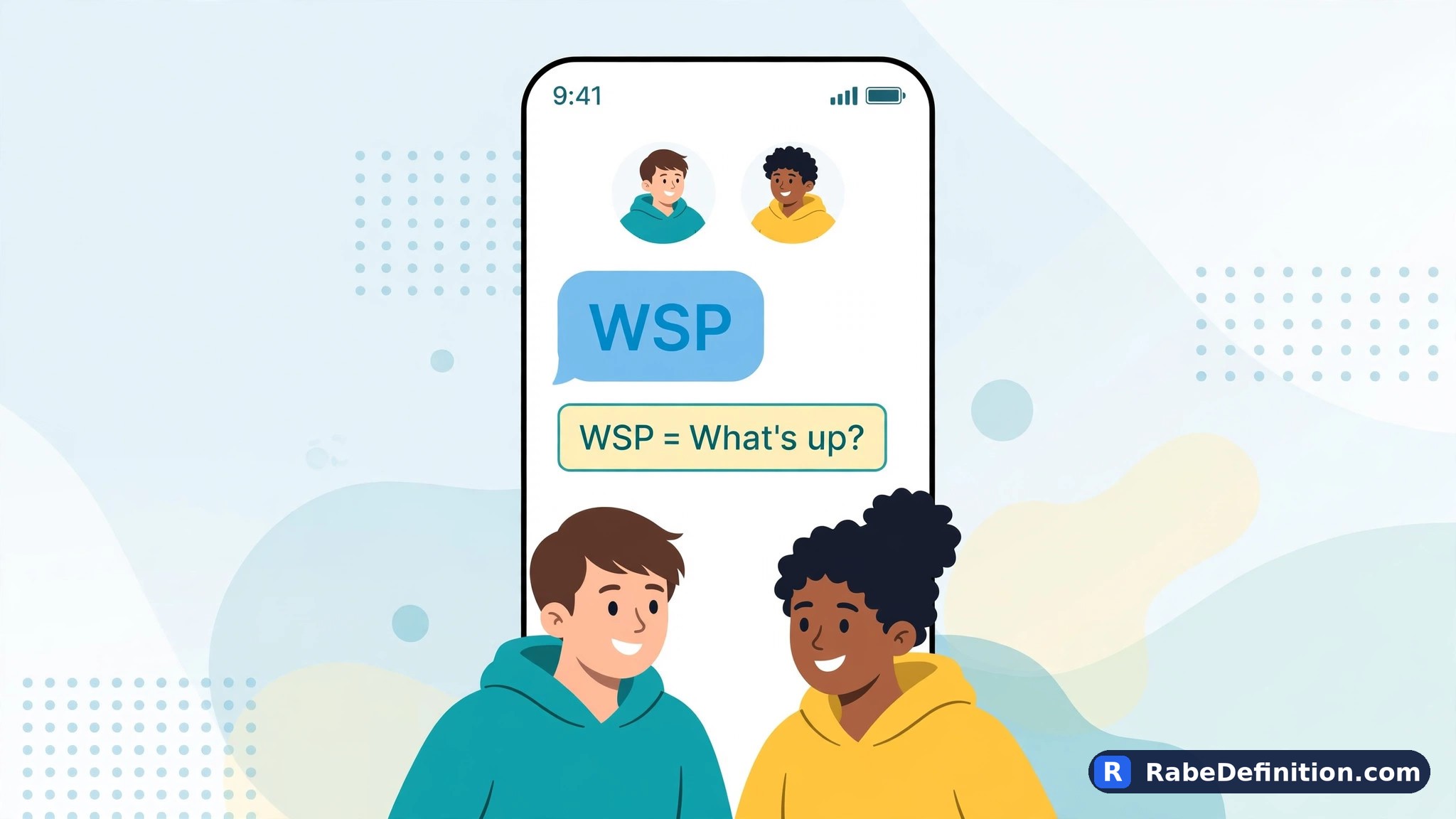
The answer to what does wsp mean in text is “what’s up,” a casual greeting people type instead of writing the full phrase. It works as a quick hello that also asks how someone is doing or what they are doing at the moment. WSP carries no hidden meaning in a normal chat, and senders use it the same simple way.
Friends send WSP to open a conversation in texts, Snapchat and Instagram messages, and gaming chats. The tone is friendly and relaxed, and it often replaces a plain hello at the start of a chat. A late-night WSP can feel more personal, but the words still carry the same greeting.
This article explains where WSP fits, how it differs from WYD and WSG, and the simple replies that sound natural. You will see original examples and learn when WSP works and when a full greeting is better. It also clears up the common misunderstandings around WSP, so a three-letter opener never leaves you guessing.
What Does WSP Slang Mean?
WSP means “what’s up,” a casual greeting used to ask how someone is doing or what they’re doing. It opens a conversation; it is not a deep question.
Quick Definition
WSP = “What’s Up?” Read it as a hello with a small question inside: how are you, and what is going on?
Simple Meaning of WSP
WSP is just a fast greeting with the slang stripped away. Three letters beat typing the whole phrase. It asks for the short update you would give a friend between classes.
Vowel-dropped shortcuts like SMTH work the same way.
Where Is WSP Used?
Popular Platforms
You will see it most in text messages, Snapchat, Instagram DMs, and WhatsApp chats between friends. It also shows up in Discord servers and gaming chats, where short greetings keep things moving.
Why Do People Use WSP?
1. It’s Quick and Easy
Three letters take a second to type, with nothing to spell out. In a fast chat, that speed is the whole point.
2. It Sounds Casual
A full “Hello, how are you?” can feel oddly formal between friends. WSP keeps the greeting light and natural.
3. It Fits Internet Culture
Texting runs on short forms like LOL, IDK, and BRB, and WSP comes from the same habit.
Opinion labels like IMO come from the same short-form habit.
4. It Works in Almost Any Conversation
The same opener works for a close friend, a classmate, or a gaming partner — few greetings cover that much ground in three letters.
Real-Life Examples of WSP Slang
Friendly Example
“wsp man, long time”
Meaning: A warm hello to a friend not spoken to in a while.
Casual Example
“yo wsp”
Meaning: A plain, relaxed greeting with nothing behind it.
Flirty Example
“wsp, stranger. you disappeared on me this week”
Meaning: Playful teasing from someone who wants the conversation to continue.
Gaming Example
“wsp team, two more rounds then I gotta eat”
Meaning: A quick greeting to the group before the game starts.
Snapchat Example
“wsp? send a pic of the snow over there”
Meaning: A casual check-in on what the friend is up to.
How to Reply to WSP
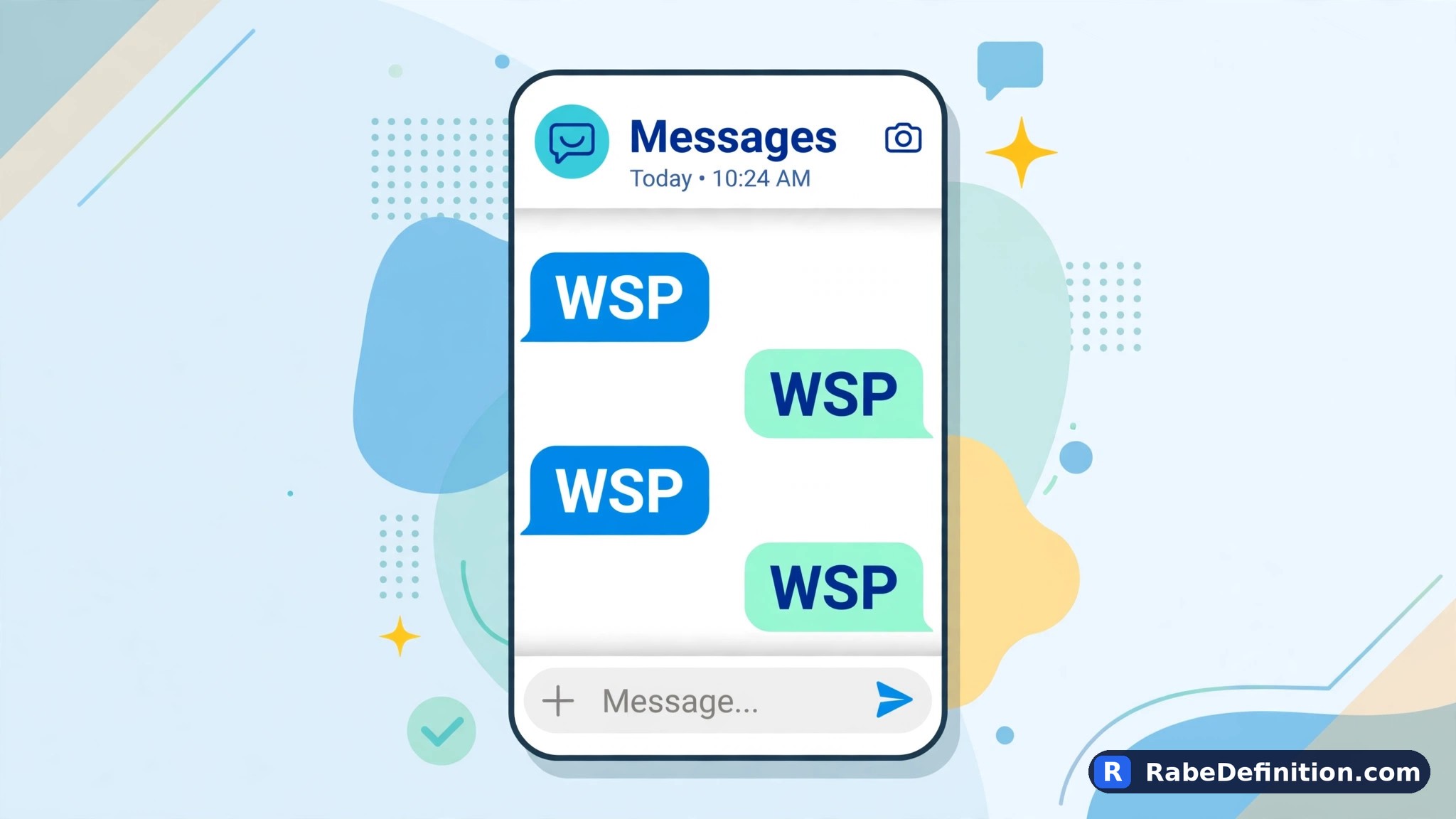
Answer it like a spoken “what’s up” — briefly and honestly. “Not much, just homework. You?” is a complete reply that also hands the question back.
If you are busy, say so briefly: “At work till six, text you after.” If you have news, share it here — the sender just asked what is going on with you.
Do not answer with another bare greeting — two people trading “wsp” gives the chat nowhere to go.
Answer briefly and honestly, the same spirit as a calming DW.
WSP vs Similar Internet Slang
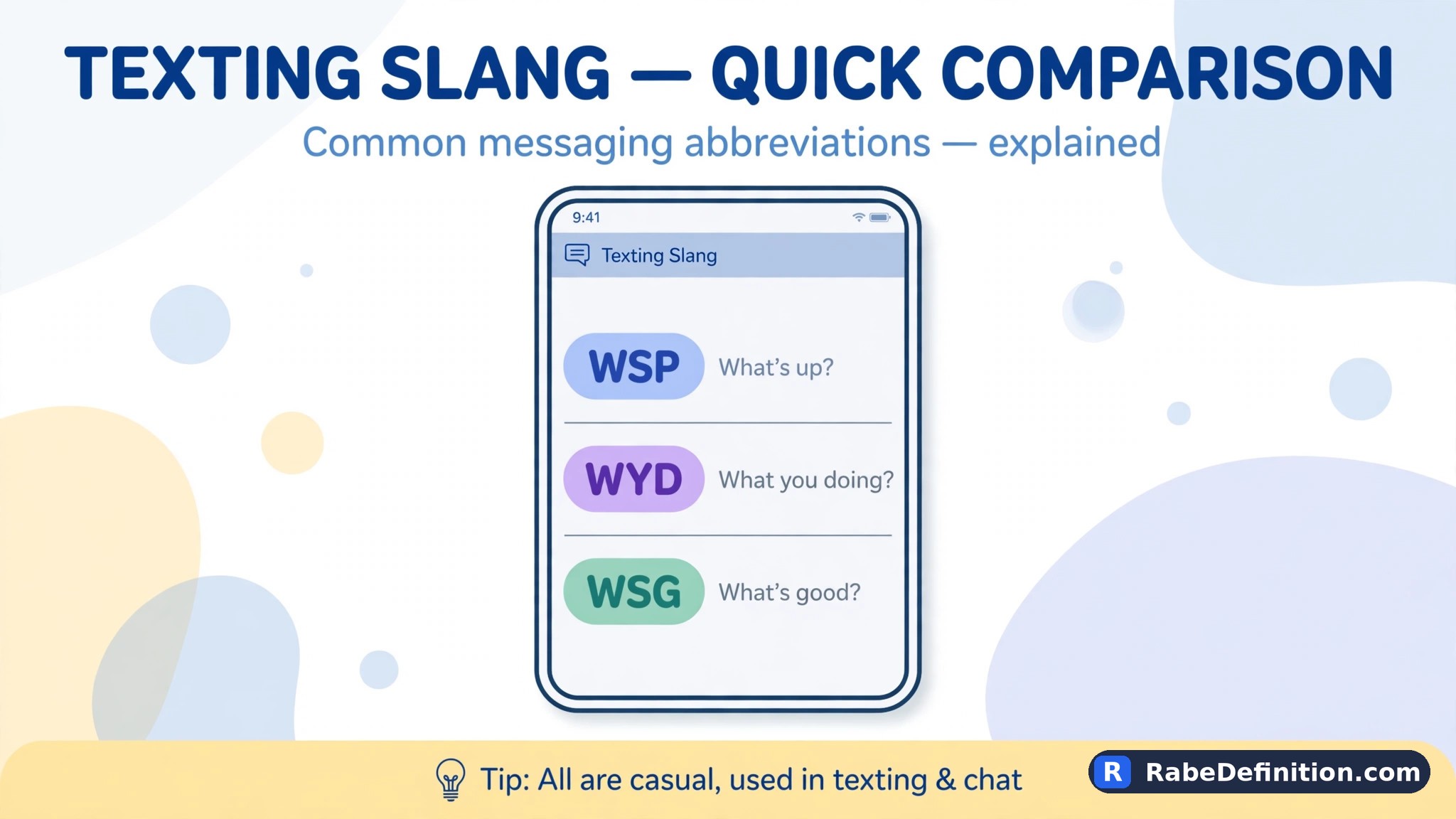
Several short forms sit near WSP, but each one does a different job.
| Slang | Meaning | Main job |
|---|---|---|
| WSP | What’s up | Opens a chat with a greeting |
| SUP | What’s up | Same greeting, spelled by sound |
| WYD | What you doing | Asks current activity |
| HBU | How about you | Sends the question back |
| HRU | How are you | Asks how someone feels |
WSP vs WYD
These two get mixed up because they appear in the same chats. WSP is the greeting that starts the conversation; WYD asks a real question about the other person’s current activity.
Send “wsp” when you want to talk, and “wyd” when you want to know what the person is doing, usually because a plan might follow.
WSP vs WSG: Not the Same Greeting
WSP and WSG look alike, and people read them as the same message, but they come from different phrases. WSP stands for “what’s up,” while WSG stands for “what’s good,” which asks what is new or good with someone.
In practice the two feel close, and most readers answer them the same way. Still, they are separate abbreviations, so read the letters you were actually sent.
When Should You Use WSP?
Use WSP with people who text casually: friends, siblings, classmates, and gaming partners. It works well as the first message of the day or a way back into a quiet chat.
It also fits when something follows it. “Wsp, did you finish the lab report?” gives the greeting a purpose and the other person something to answer.
When You Should Avoid WSP
Keep WSP out of work emails, messages to teachers, and anything sent to a business or customer. Readers outside texting culture may not know it, and those who do may read it as careless.
Write it out instead: “Hi, I wanted to ask about the meeting tomorrow.” Full words work for every reader.
Common Misunderstandings About WSP
WSP Means Something Complicated
It does not. Behind the letters sits one ordinary greeting, with no code or second layer.
WSP Is Always Flirty
A greeting turns flirty through timing, history, and what follows it — not the letters. Most WSP messages are plain hellos between friends.
Only Teenagers Use WSP
Younger people made it common, but plenty of adults use the same short forms. Age matters far less than the relationship between the two people.
Unlike FFS, a WSP opener carries no frustration.
What Does WSP Mean From a Guy or a Girl?
The meaning does not change with the sender. From a guy or a girl, WSP is still “what’s up,” the same casual opener.
What can change is the intention behind it, and that shows in what follows. A sender who keeps the chat going, asks questions, and replies quickly probably wants a real conversation.
Pro Tips for Using WSP Naturally
Keep It Casual
Save WSP for relaxed chats where slang belongs. Forcing it into a serious exchange feels out of place.
Match the Person’s Style
If the other person writes in full sentences, a full greeting lands better. Mirroring their style keeps the chat comfortable.
Don’t Overuse Slang
A chat built from abbreviations alone gets hard to follow. Mix WSP with normal sentences so your meaning stays clear.
Use It to Start Conversations
WSP works best as a door opener, so walk through it: follow with a question, some news, or the reason you messaged.
Is WSP Still Popular in 2026?
Yes, WSP remains a common opener in texts and social chats. Short greetings survive because their job never changes: people always want a fast, friendly way to start talking.
Most new slang fades within a year or two. Forms built from everyday phrases, like WSP, stay because every new texter can guess them on sight.
Everyday-phrase forms like GTS survive for the same reason.
Other Meanings of WSP
In a text or DM, “what’s up” covers nearly every message you will receive. Outside chat, the same letters appear as initials in names of organizations, projects, and products, standing for words unrelated to greetings.
Context settles it: WSP arriving alone in a message, usually with a question mark, is the slang greeting.
Final Thoughts
WSP means “what’s up,” a short and friendly way to open a chat and ask how someone is doing. People use it in texts, DMs, and gaming chats where the mood is casual and the conversation is getting started. It asks for a quick update, not a long report, and a bare WSP never carries a hidden or serious meaning.
Reply the way you would to a spoken hello, with a brief update about your day or a question back. Save WSP for friends and relaxed chats, and write a full greeting in formal messages where slang looks careless. Matched to the right person and moment, WSP stays a friendly opener that anyone can answer with a how are you.
FAQ About WSP Slang
What does WSP mean in texting?
WSP means “what’s up,” a casual greeting people send to start a conversation. It asks how someone is doing or what they are doing.
Is WSP slang rude?
WSP is not rude in casual chats with people you know well. It can look careless in formal messages, so write the full greeting there.
What’s the difference between WSP and WYD?
WSP is a greeting that opens a conversation, like saying hello and asking how things are. WYD asks what someone is doing right now, usually with a plan in mind.
Can adults use WSP?
Yes, adults can use WSP in relaxed chats with friends, family, or coworkers they know well. The setting matters more than age, so keep it out of formal writing.