DNI Meaning in Text: What Does DNI Mean?
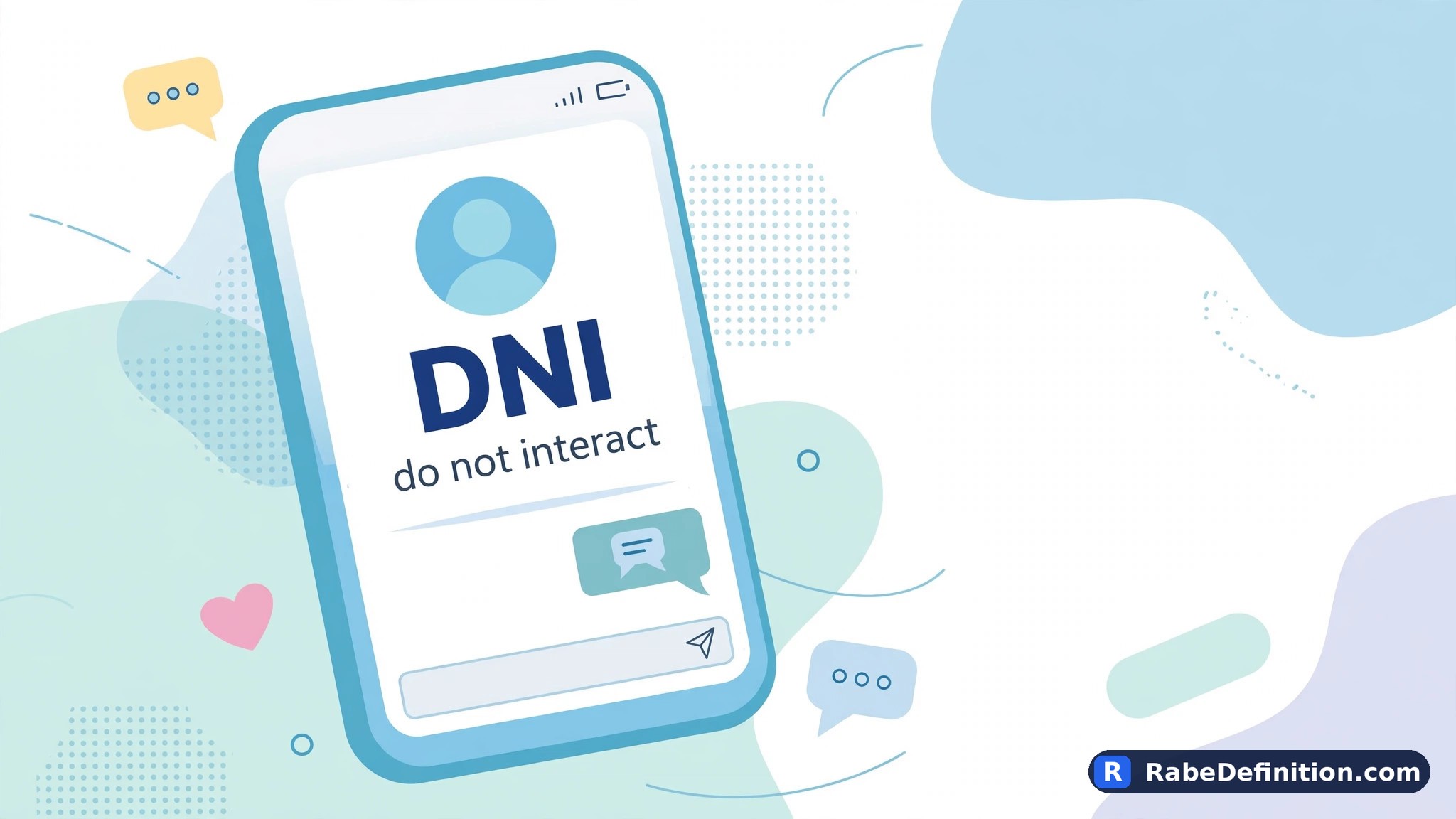
DNI stands for “do not interact,” and the dni meaning in text is a request asking people not to engage with you or your content. Someone who writes DNI is setting a boundary about who should message, follow, comment on, or reply to them. It shows up mostly in social media bios, and also in texts, comments, and group chats.
Most DNI notes are aimed at one specific group, not at everyone, and they usually begin with “DNI if” followed by a condition. The tone can be calm and practical in a bio, or firmer in a text sent after an argument. Read the words around it, because the same three letters can sound protective, annoyed, or matter-of-fact depending on the situation.
This article explains what DNI stands for, where people use it, and why they set this kind of boundary online. You will also find real examples, a comparison with similar terms, and guidance on when using DNI makes sense. By the end, you will know how to respond respectfully and how to phrase your own DNI.
What Does DNI Mean In Text?
DNI means “do not interact.” It is a request asking certain people, or sometimes everyone, to stay away from your posts and profile.
Unlike a block, it changes nothing inside the app; it just states the rule where others can see it. The request may cover one action, like commenting, or all contact. Lowercase “dni” means the same thing.
Simple Meaning (In Plain, Easy Words)
Think of DNI as a “please keep out” sign for online conversation instead of a physical place. The person is saying contact from certain people is unwelcome, with no argument about it. It is a boundary set in advance, not a punishment.
Unlike a pure spelling shortcut like SMTH, DNI is a full request in three letters.
Where Is DNI Used?
Social Media Bios
The most common spot. People add “DNI if…” to Instagram, X, and TikTok bios so the rule is visible before anyone follows.
Text Messages
In a chat, DNI usually appears after a disagreement, as a direct request for space: stop texting for now.
Gaming Communities
Discord profiles and server rules carry DNI notes, used to keep away players who spam invites, start arguments, or cause trouble in matches.
Fan Communities (Fandoms)
Fan spaces for music, shows, anime, and fan fiction use DNI lists, stating which accounts should not follow, often based on age or content.
Comment Sections
Under a post, “DNI” can warn others about a problem account. Creators also pin DNI rules on posts that attract arguments.
Why Do People Use DNI?
The main reason is clarity: a DNI states a boundary once, without long explanations. After a falling-out, it says contact should not restart, without reopening the argument.
Some accounts post for a limited audience, such as adults only or one fan community, and DNI protects that purpose. Others simply value privacy.
It is the opposite of an opener like WSP, which invites conversation.
Real-Life Examples Of DNI (With Explanations)
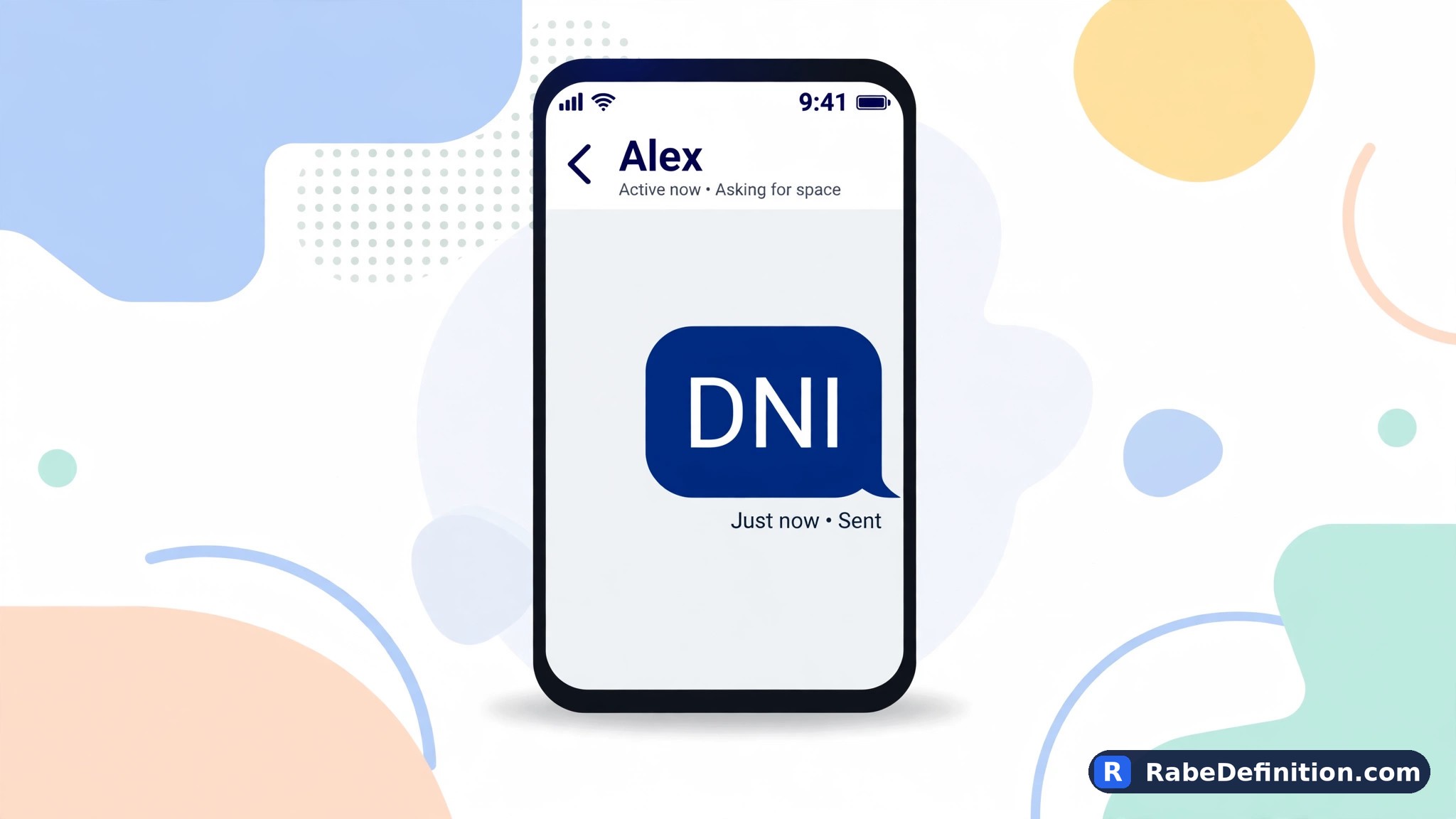
The wording changes by setting, but the request stays easy to spot.
Example 1: An Artist’s Bio
“sketch account, commissions closed. dni if you repost my work without credit.”
The rule targets one behavior: anyone may follow, but sharing the art without credit breaks it.
Example 2: A Text Asking for Space
“I can’t talk about this yet. DNI for now, please.”
This DNI is temporary, not a friendship ending; the sender wants quiet time first.
Example 3: A Discord Server Rule
“Server rule: DNI if you spam invites or rage at teammates in voice.”
The community filters for behavior, not for a type of person. Calm players are welcome; others are warned at the door.
Example 4: A Pinned Comment on a Video
“New viewers: DNI if you came here to fight about the finale.”
The creator is protecting the comment section’s tone. The note is preventive and cheerful, aimed at nobody in particular.
DNI vs Similar Terms (Comparison Table)
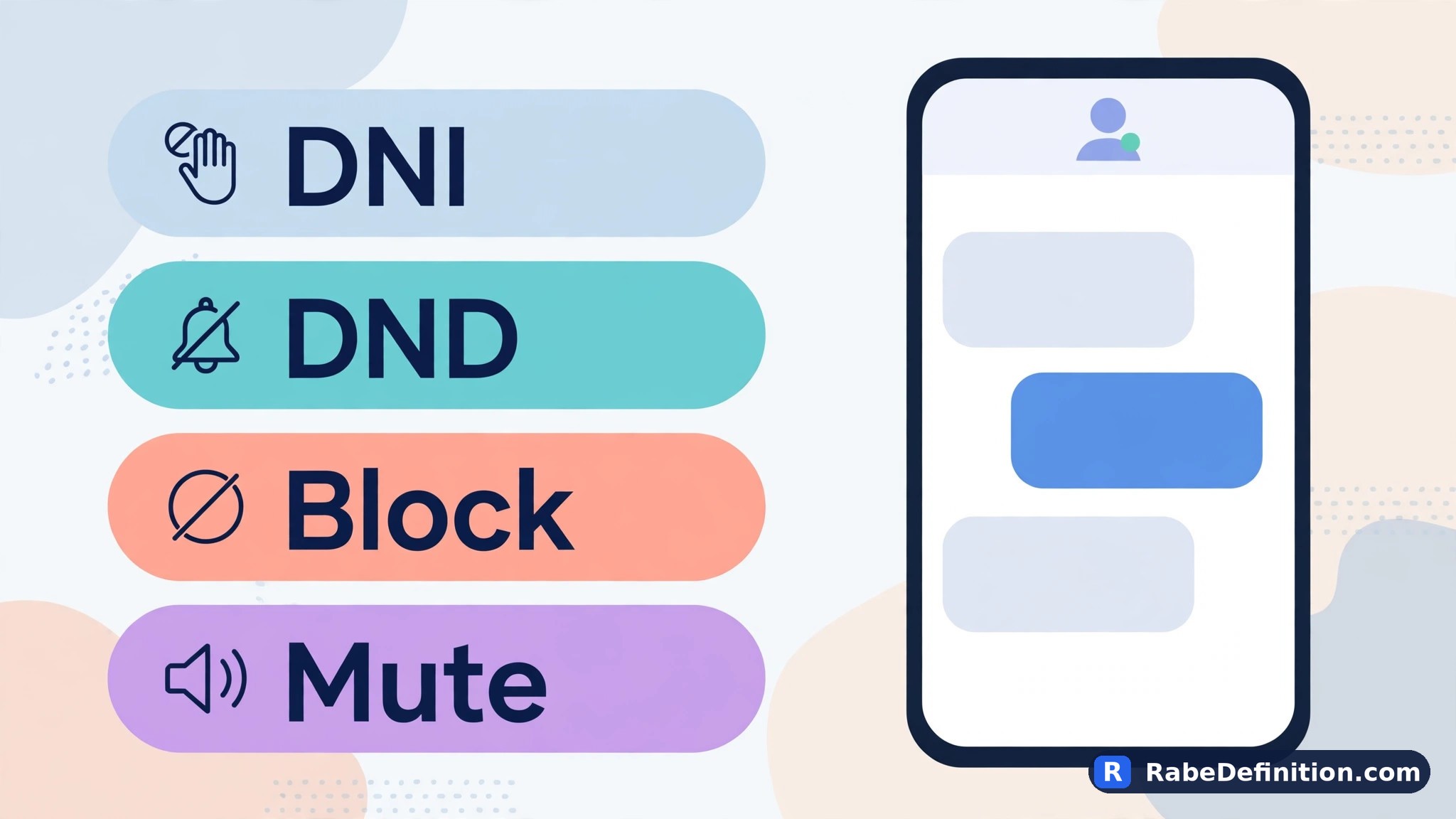
Several short terms and app features sit close to DNI and get mixed up with it.
| Term | Full Form or Type | What It Actually Does |
|---|---|---|
| DNI | Do Not Interact | A written request asking certain people not to engage |
| DND | Do Not Disturb | Asks people not to contact you right now; usually temporary |
| Block | App feature | Cuts off contact completely through the platform’s settings |
| Mute | App feature | Hides someone’s posts from your feed without telling them |
| DM | Direct Message | A private message between two accounts |
The key difference: DNI is a boundary stated in words; blocking and muting are actions the app carries out.
DNI vs DND: What’s the Difference?
DND (“do not disturb”) is about timing: the person is busy, asleep, or studying, but will talk later. It often switches off by itself, like a phone’s do-not-disturb mode.
DNI is about who, not when, and it usually stays in place until its owner removes it. A classmate on DND replies after school; a DNI bio is not opening that door.
When Should You Use DNI?
A bio is the easiest place, especially if strangers often message your account. After a conflict, a short DNI text beats a heated back-and-forth: it asks clearly for space.
DNI also fits when your posts are meant for one audience, such as an age group or fan community. Remember the limit: DNI cannot physically stop anyone, so ignored requests belong with block and report tools.
A calming DW works when reassurance fits better than distance.
How to Respond When Someone Says DNI
The right response is usually simple: stop, and do not engage further. Replying to ask why, or arguing the rule is unfair, breaks the very request being made.
If a bio line describes your account, do not follow or message; quietly moving on is what was asked. If it came from a friend after an argument, give that space fully; do not reach out through a second account.
Treat it like a final sign-off such as GTS: the conversation is over.
Common Misunderstandings About DNI
A few wrong ideas about DNI come up often.
Myth 1: “DNI Means the Person Hates You”
Most DNIs are standing rules for a whole group of accounts, posted long before you found the page, and rarely aimed at one reader.
Myth 2: “Only Teenagers Use DNI”
The term is most visible in younger, fandom-heavy spaces, but adult artists, business accounts, and community moderators use DNI too.
Myth 3: “DNI Blocks You Automatically”
Posting DNI changes nothing in the app; the owner still has to block or restrict anyone who ignores it.
Myth 4: “DNI Is Always Aggressive”
Tone depends on placement: a bio DNI is calm housekeeping written in advance, while the same letters after a late-night argument feel sharper.
Unlike an opinion marker like IMO, DNI is not an invitation to debate.
Pro Tips For Understanding And Using DNI
- Read the whole line. The condition after “DNI if” tells you who the note is for.
- Treat it as final. Testing it is the fastest way to get blocked for real.
- Keep your own DNI specific. “DNI if you send unsolicited promos” works better than vagueness.
- Use the tools when needed. If someone keeps ignoring your DNI, block and report instead of repeating it louder.
- Do not joke with it. Sent to a friend on the wrong day, DNI reads as a genuine shut-out.
How to Write a DNI in Your Bio
A good DNI is short, specific, and about behavior rather than insults. Start with “DNI if,” then name the action you exclude in few clear words: “DNI if you repost without credit,” or “DNI: no unsolicited DMs, please.”
Accounts for a set audience can say so plainly: “DNI if you’re under 18; this page covers adult topics.” Skip long grievance lists; calm one-line rules get respected more.
Other Meanings of DNI
Outside chat slang, DNI shortens “Documento Nacional de Identidad,” the national identity document in Spain and several Latin American countries, seen on forms and travel paperwork. Context separates them: on a form, DNI asks for an ID number; in a bio or text, it means do not interact.
Final Thoughts
DNI is a short way to set a boundary online, and the dni meaning never really changes: do not interact. In a bio it acts as a standing rule for every visitor who reads the profile. In a text it usually asks one person for space after a disagreement. The words after it show exactly who the note is meant for.
Treat a DNI the way you would treat a closed door: do not knock, argue, or look for a way around it. If you ever post one yourself, keep it brief, specific, and free of insults so people understand it fast. A clear boundary, stated calmly and respected on both sides, keeps online spaces comfortable for everyone to interact.
FAQ Section
What does DNI mean in a text message?
In a text, DNI means “do not interact” and asks the other person to stop messaging. It usually appears after a disagreement, when someone needs space and wants the conversation paused.
Is DNI rude?
DNI is not automatically rude; many people use it as a calm, standing bio rule. It can feel blunt in a personal text, so the wording and situation around it decide the tone.
Does DNI mean the same thing as “block me”?
No, DNI is only a written request, and the app does nothing when someone posts it. Blocking is a separate setting that stops contact, follows, and messages on the platform.
Why do people put DNI in their social media bio?
People add DNI to a bio to state boundaries once, where every new visitor sees them. The note usually names who should not follow or message, such as strangers or spammers.