SMS Meaning in Text: What Does SMS Stand For?
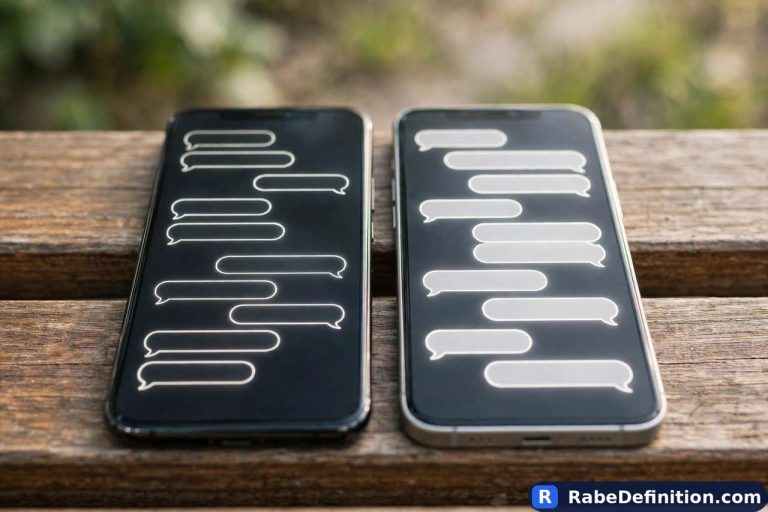
If you are looking up the text message SMS meaning, the short answer is simple: SMS stands for Short Message Service. It is the built-in system that lets mobile phones send and receive plain text messages through a phone network. When someone says “send me an SMS,” they simply mean “send me a text to my phone number.”
SMS works on the regular mobile signal, so it does not need Wi-Fi or mobile data to deliver a message. That is why banks, delivery services, and apps still rely on it for one-time codes and alerts. One nuance is that SMS is the technology behind basic texting, while apps like WhatsApp run over the internet instead.
This guide explains the SMS full form, how the service works, and where it is still used today. You will also see real examples, a clear comparison with MMS and chat apps, and answers to common questions. By the end, terms like SMS, text message, and verification code will feel easy to separate.
What Does “SMS Meaning” Mean?
SMS stands for Short Message Service, the standard system that mobile phone networks use to send short written messages from one phone to another. When people look up the term, they usually met it in a phone setting, a carrier plan, or a sign-in screen. A login page may say a code was “sent via SMS,” and an older phone may label its inbox “SMS” instead of “Messages.” Every one of them means a plain text message delivered to a phone number.
SMS Full Form
The SMS full form is Short Message Service, and each word describes part of the idea. “Short” fits because these messages were built for brief text, not long documents or media files. “Message” is the text itself, and “Service” is the carrier feature that delivers it. In daily speech, people also use SMS as a noun, so “send me an SMS” just means “send me a text.”
Simple Meaning of SMS
An SMS is a text that travels from one phone to another over the mobile network, with no app account and no internet connection involved. If a phone can make calls, it can almost always send and receive SMS in its built-in messages app. That is why the same simple screen works on a brand-new smartphone and on a basic keypad phone.
How SMS Works
When you press send, your phone passes the text to your carrier, and the network routes it to the other person’s number. A single standard SMS holds up to 160 characters, so a longer text is split into parts and stitched back together on the receiving phone. The whole trip needs only a basic mobile signal. That is why texts still get through where mobile data is too weak to load a page.
Where Is SMS Used Today?
SMS still shows up in daily life in several steady roles.
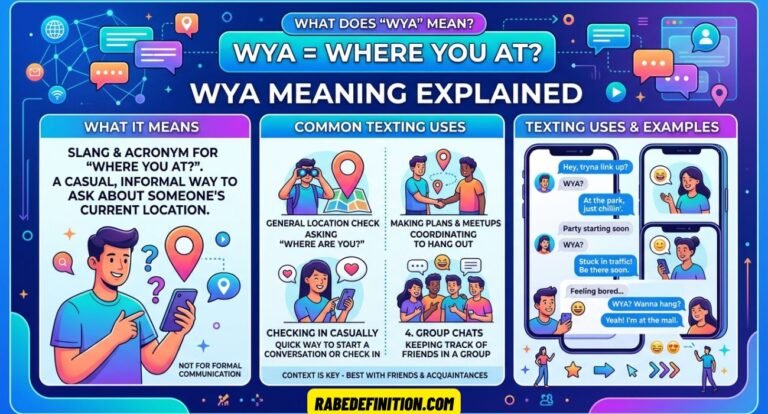
A plain SMS still carries everyday questions like WYD between any two phones.
Personal Texting
Plenty of people still trade quick texts by number, especially with contacts who do not use the same chat apps.
Bank Alerts and One-Time Codes
Banks text transaction alerts and one-time passwords straight to the customer’s number.
Account Verification
Websites send sign-up and login codes by SMS to confirm the phone belongs to the account.
Business Notifications
Delivery firms, clinics, and airlines use SMS for order updates, reminders, and schedule changes.
Backup Communication
When data drops or an app is down, a plain text often still goes through.
Why Do People Still Use SMS?
SMS survives because it asks for almost nothing from the user. It works without internet, without an account, and without both people owning the same app or the same brand of phone. Every mobile number can receive it, including numbers on simple feature phones. For one-time codes, that reach matters more than extras like stickers. It is not the richest way to chat, but it is one of the most dependable. It reaches EVB — everybody — including people on basic phones with no apps.
Real-Life Examples of SMS Meaning
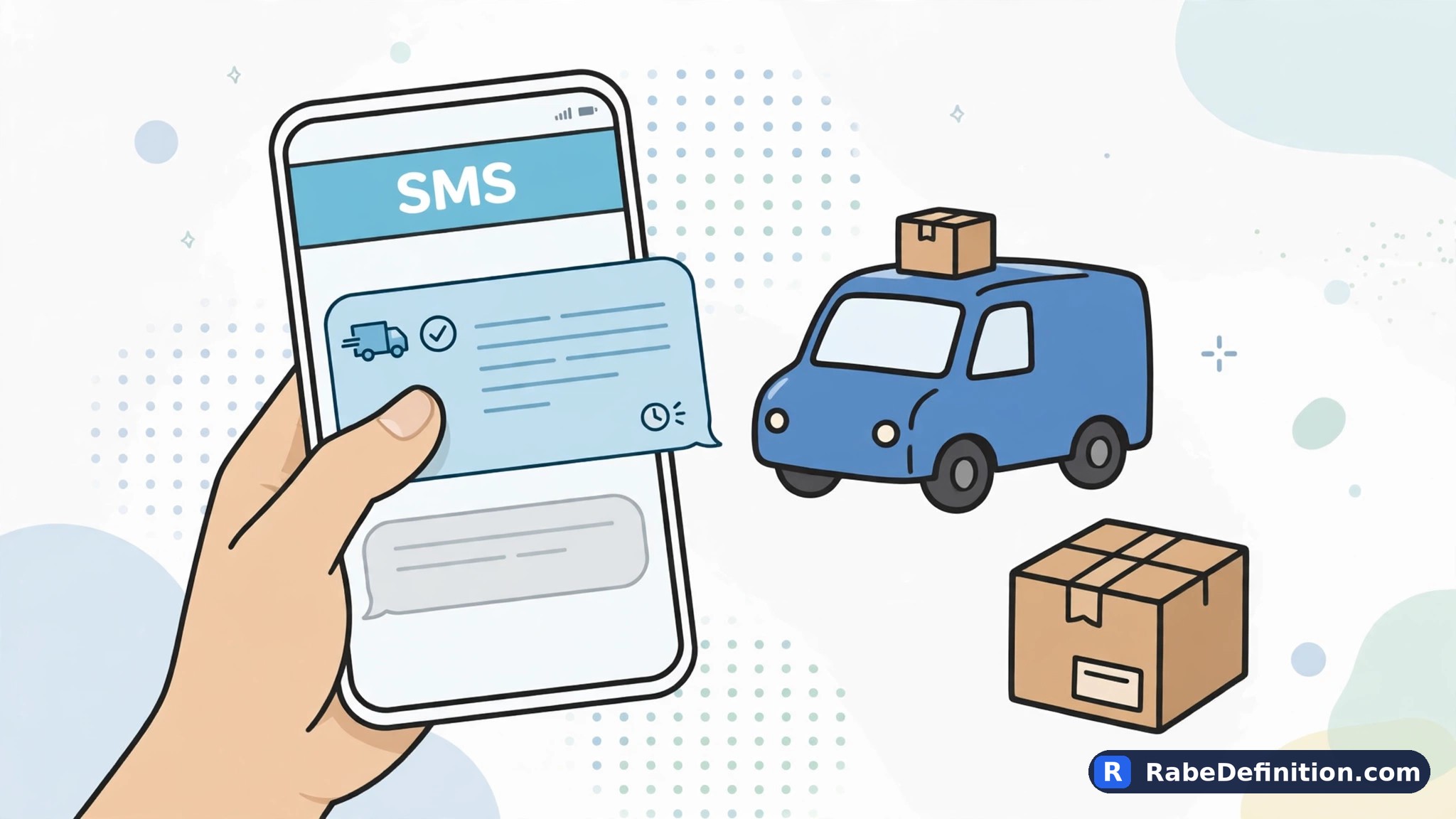
The meaning stays the same across situations; only the sender and the purpose change. Friends also send slang like ISTG over plain SMS, since the channel carries any short text.
From a friend: “SMS me your new address — my data is off until Friday.” Here SMS works as a verb: text the address to my number.
From a bank: “Your one-time code is 483920. Never share this code with anyone.” The bank uses SMS because the code reaches the account holder’s phone fast.
From a delivery service: “Your package is out for delivery and should arrive today by 6 PM.” Updates like this arrive as texts so customers see them without opening an app.
From a clinic: “Reminder: your appointment is tomorrow at 10 AM. Reply YES to confirm.” The reply works because SMS runs both ways between the clinic and the patient’s phone.
SMS vs Similar Terms
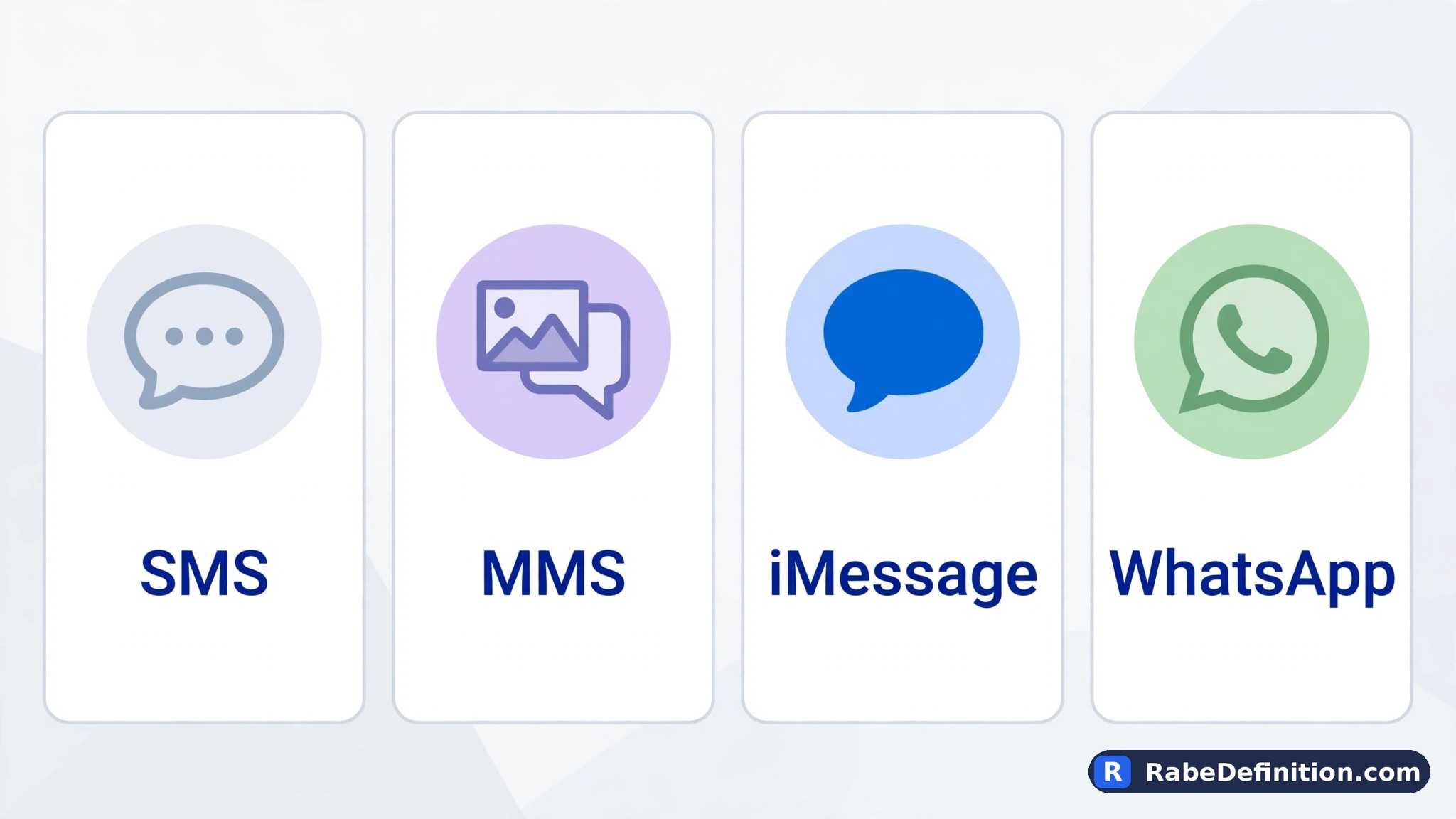
These terms sit side by side in phone menus, so they are easy to mix up.
| Term | What It Is | Needs Internet? | Common Use |
|---|---|---|---|
| SMS | Text sent through the mobile network | No | Basic texts, codes, alerts |
| MMS | Message that carries photos, video, or audio | No | Media sent between phone numbers |
| iMessage | Apple’s messaging service for Apple devices | Yes | Chats between iPhones and iPads |
| WhatsApp Message | Chat sent through the WhatsApp app | Yes | Personal and group messaging |
The pattern is simple: SMS and MMS ride the phone network, while iMessage and WhatsApp ride the internet.
SMS vs Text Message: Is There a Difference?
In everyday conversation, the two phrases point to the same thing, and nobody will correct you for swapping them. “Text message” is the plain everyday name, while SMS is the technical name of the service doing the delivery. One small difference shows up in careful usage: people often call any short message a “text,” including app chats, while SMS strictly means the network-based kind.
When Should You Use SMS?
SMS is the right tool when the message is short, important, and has to arrive. Reach for it when you have signal but no data, when the other person may not use chat apps, or when a service needs to send you a code. Long conversations, big group threads, and heavy photo sharing feel better in an app with no short-chunk limit. Cost can matter too, since some plans still charge for texts sent abroad. A quick opener like WSP works over SMS when data is down.
Common Misunderstandings About SMS Meaning
A few wrong ideas about SMS keep repeating.
“SMS needs the internet.” It doesn’t. SMS runs on the basic mobile signal, which is exactly why it works when data fails.
“SMS is the same as WhatsApp.” The two deliver text, but WhatsApp sends it over the internet through an app, while SMS goes number to number over the carrier network.
“SMS is outdated and useless.” Banks, clinics, and delivery networks still depend on it daily, because it reaches phones that apps cannot.
“SMS is always free and unlimited.” Many plans include generous texting, but some charge per message or treat international texts separately, so the details depend on your carrier.
Is SMS Safe? Watch Out for Smishing
Reading an SMS is safe; the risk comes from fake messages that pretend to be a bank, a delivery firm, or a government office. This trick is often called smishing — phishing done by text. A common pattern is an urgent note about a blocked account or missed parcel, pushing you to tap a link and enter details. The safe habit is to ignore the link, open the company’s official app or website yourself, and check there. Treat an unknown sender’s demands the way you would a DNI note: do not engage.
Pro Tips for Using SMS Smartly
Keep it complete in one message. A text that carries the full point saves the back-and-forth of split parts.
Use SMS when delivery matters. Codes, reminders, and urgent short notes belong on the channel that works without data.
Check the sender before you trust a text. A real alert matches what you expect; surprise links and pressure to act fast are warning signs.
Mind long and international texts. A long message may send as several parts, and texts to other countries can cost extra on some plans.
Final Thoughts
The text message SMS meaning is easy to remember once you see what the letters stand for: Short Message Service. It is the system that moves plain text messages between phones over a mobile network, with no internet involved. That simple design is why SMS still handles bank codes, delivery alerts, and everyday texts on almost every phone.
When a message has to arrive, SMS remains a dependable choice, especially where signal is strong but data is weak or unavailable. Choose it for short, important texts, and switch to a chat app when you need photos, long threads, or group conversations. Read every message with its sender and context in mind, and a one-time password will never slow you down.
FAQ – SMS Meaning
What does SMS mean in simple words?
SMS stands for Short Message Service, the system phones use to send plain text messages. It means a normal text sent to your phone number through your mobile network.
Is SMS the same as texting?
Yes, basic texting between phone numbers is SMS working in the background. App chats like WhatsApp are different because they run over the internet.
Do SMS messages need internet?
No, an SMS travels over the regular mobile signal, not Wi-Fi or mobile data. You only need enough signal to connect to your carrier’s network.
Why do banks use SMS?
Banks send one-time codes and account alerts by SMS because it reaches almost every phone quickly. It also works without apps or data, which makes it dependable for security checks.