IKRR Full Form: What Does IKRR Mean in Text?
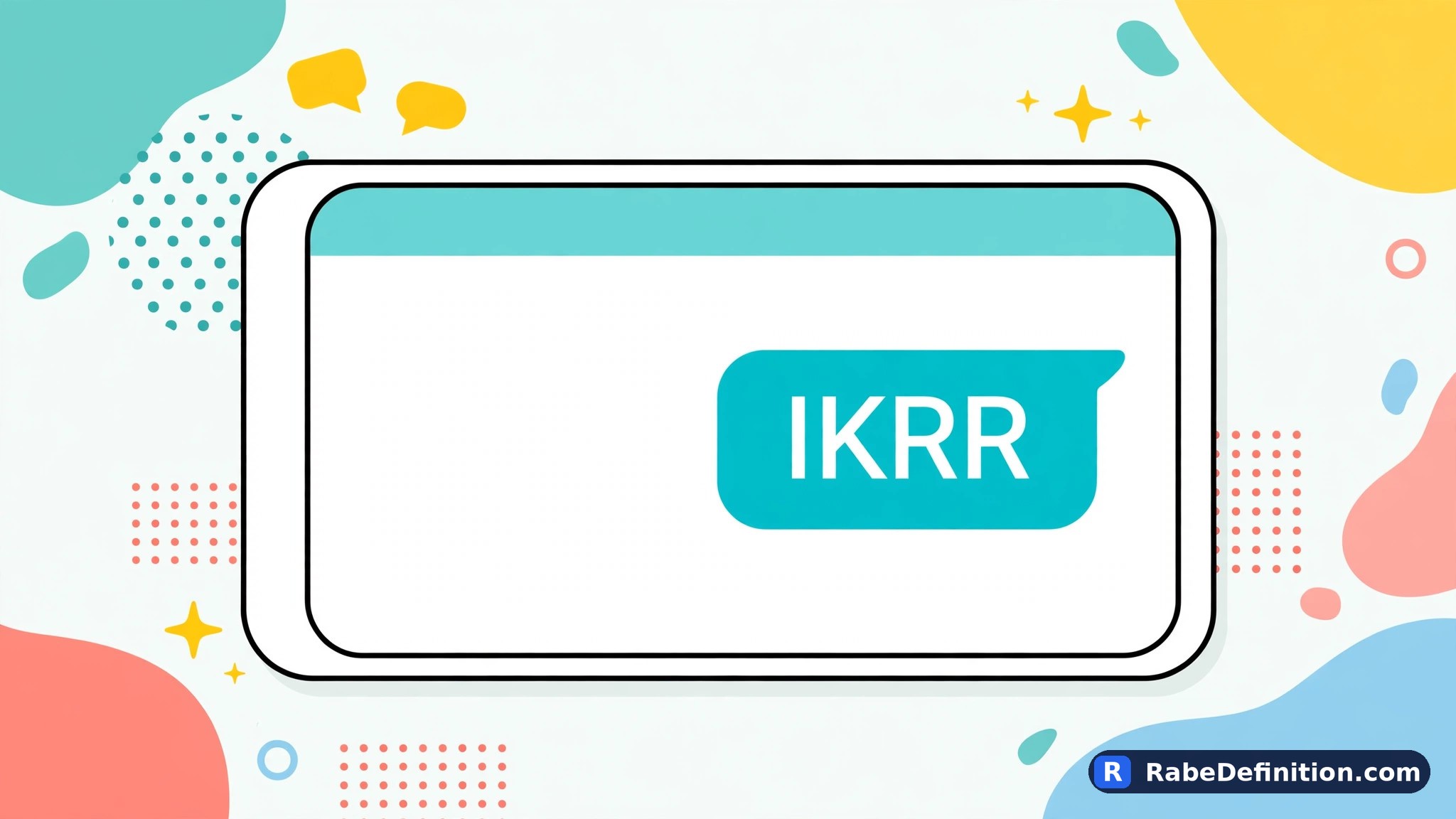
The ikrr full form is “I know, right, right,” an expanded spelling of the texting reply IKR. IKR itself shortens the spoken phrase “I know, right,” which people say when they agree strongly with someone. IKRR simply doubles the final R, and that small change adds energy without adding a new meaning.
You will see IKRR in fast chats where someone has just described a feeling or situation everyone recognizes. The doubled letter works like a louder voice, turning plain agreement into “yes, exactly, I feel that too.” Because it is so casual, a few readers may mistake it for a typing mistake at first glance.
This article breaks down the letters, explains how IKRR differs from IKR, and shows the reply in real conversations. You will also see how extra Rs change the strength of a reaction, plus simple ways to answer when someone sends it to you. Common mix-ups, including the typo question, are cleared up along the way.
What Does IKRR Mean?
IKRR means “I know, right, right?” — the ikrr full form is IKR with its final R doubled for extra emphasis. It is not a separate abbreviation with its own dictionary entry; dictionaries list IKR, while IKRR is a stretched spelling people create on the spot.
Read it as IKR said louder: the words stay the same, but the feeling behind them gets bigger.
Simple Meaning (In Plain Words)
Break the letters down and the reply explains itself:
- IK = I know
- R = right
- Extra R = right again, added for feeling
Texters stretch letters the same way in “yesss” or “nooo.” The repeated letter carries emotion a flat keyboard cannot, so IKRR is agreement with the volume turned up.
IKRR, IKRRR, and Even More Rs
The number of Rs works like a volume dial. Plain ikr is calm everyday agreement, the kind you send without thinking twice. Ikrr steps it up, showing that the comment really landed with you. Ikrrr and longer strings push into playful, over-the-top territory, usually for jokes or dramatic reactions.
There is no official stopping point, and readers understand the scale without anyone explaining it. Just keep the setting in mind: in a quiet, serious chat, a long string of Rs can look like teasing rather than agreement.
Where Is IKRR Used?
IKRR lives in quick, informal conversations: text threads between friends, group chats, and direct messages on apps like WhatsApp, Snapchat, and Instagram. It also turns up in Discord and gaming chats, where reactions fly fast.
You will rarely see it anywhere formal, since school assignments, work messages, and emails call for real words instead. It travels over plain SMS threads as easily as through any app.
IKRR on Social Media
On social media, IKRR often works as a stand-alone reaction. Someone posts a relatable complaint or funny observation, and “ikrr” lands in the comments as a quick way of saying the post described them perfectly.
It appears under TikTok videos, in replies on X, and in Instagram comment threads, where the loose, playful audience makes the stretched spelling fit right in. Comment threads aimed at EVB — everybody — at once lean on quick reactions like this.
Why Do People Use IKRR?
Plain “ikr” can feel flat when a comment matches your own experience perfectly. The extra R fixes that in one keystroke, telling the other person you genuinely feel the same thing.
It also keeps a fast chat moving: a two-second reply that validates what was said and lets the conversation roll on. For many texters, that mix of speed and feeling is exactly the point. Where a WYD opens the chat, ikrr is the reply that keeps it rolling.
Real-Life Examples Of IKRR In Chat
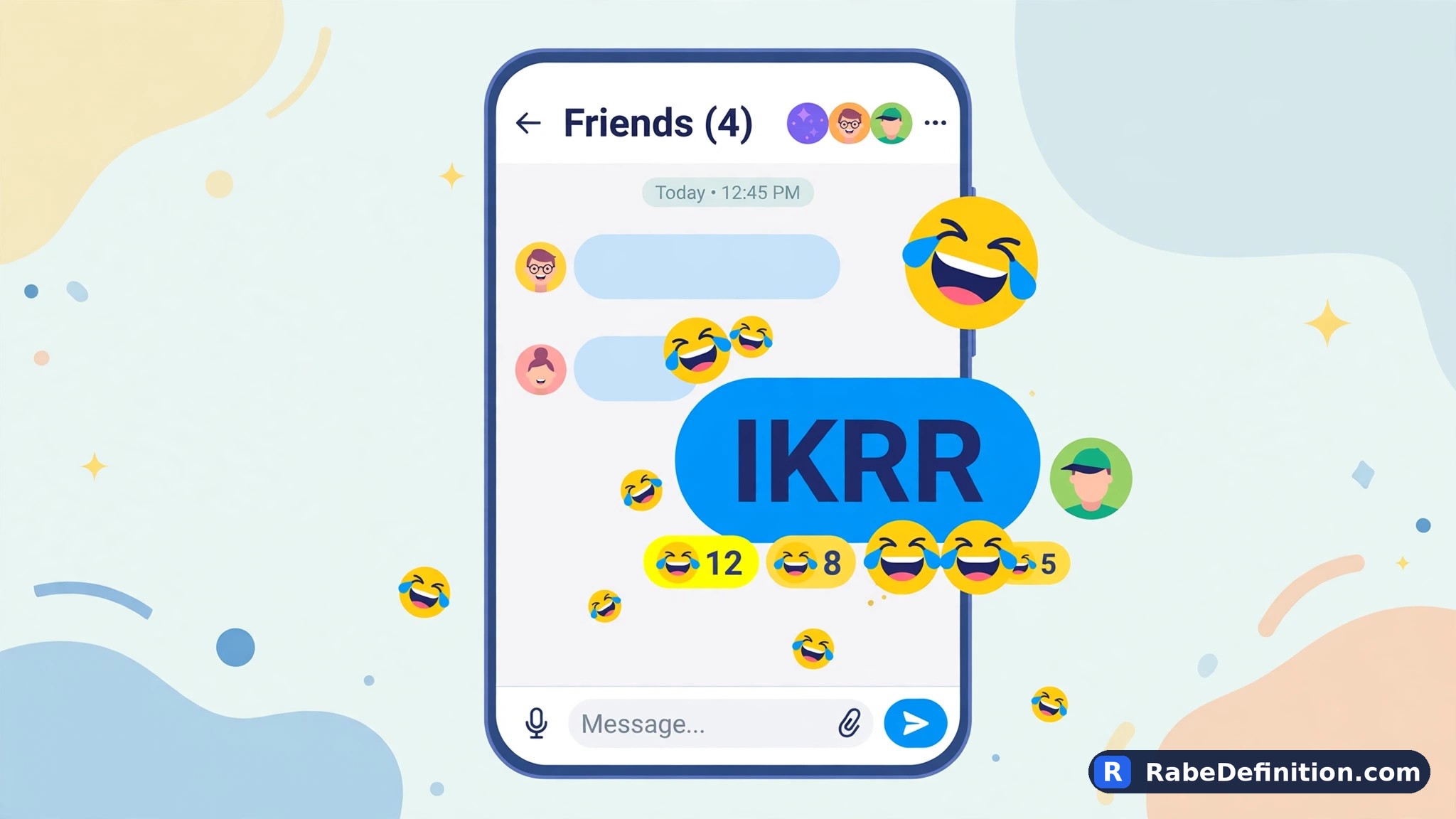
A: “The weather app said sunny all day and I still got soaked walking to class.”
B: “ikrr, I stopped trusting that thing weeks ago”
Shared annoyance is the classic setup here.
A: “Our group project partner has attended exactly zero meetings.”
B: “ikrr and watch him present like he did all the work”
Here IKRR opens the reply, and the follow-up joke builds on the shared feeling.
A: “My usual coffee order costs a dollar more than it did last month.”
B: “ikrr everything at that place creeps up”
Comment sections keep it even shorter:
Post: “POV: you set five alarms and sleep through every single one.”
Comment: “ikrr this is painfully accurate”
How to Reply to IKRR
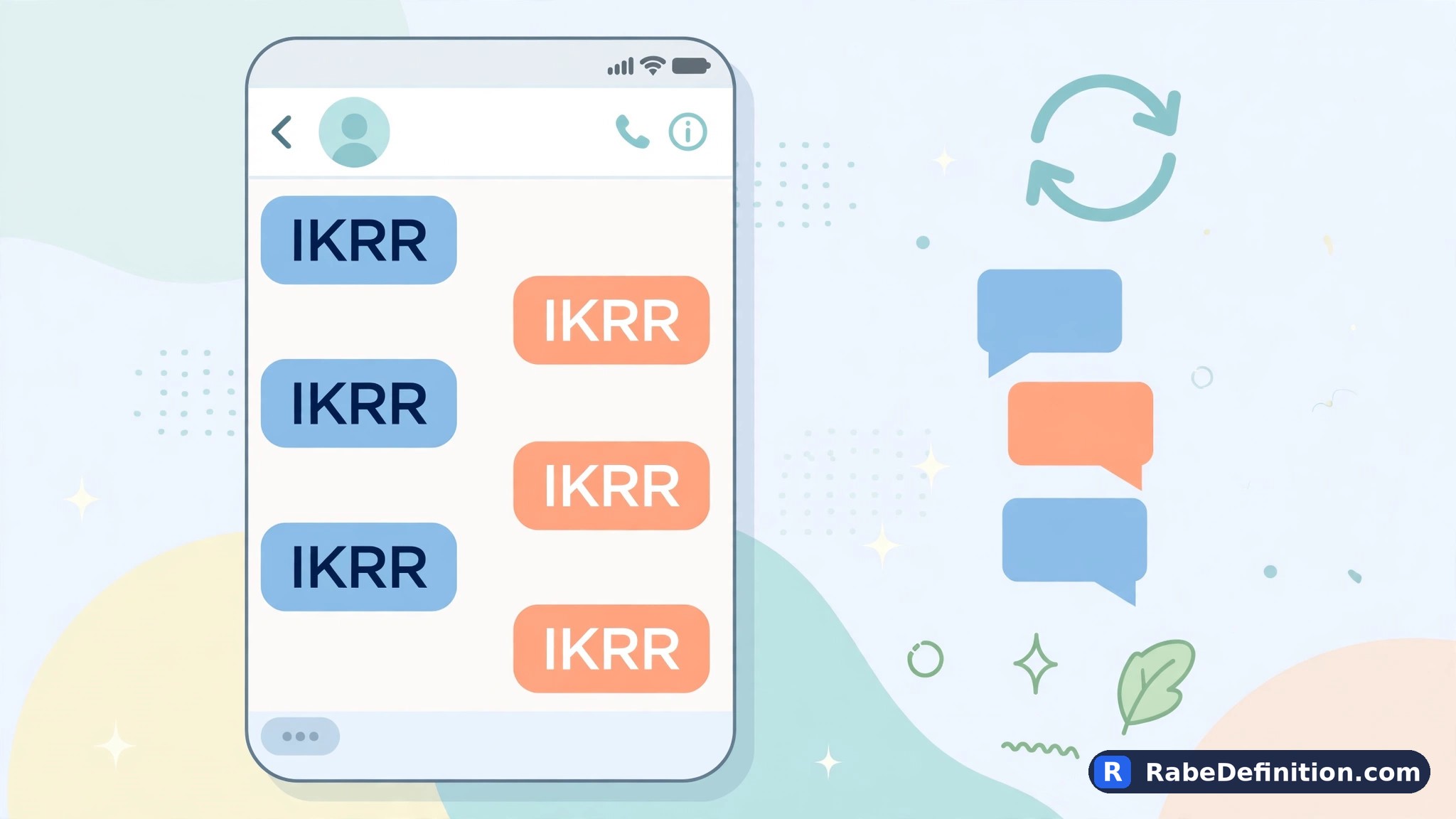
IKRR usually closes the agreement loop, so there is no pressure to answer with another slang word. The easiest move is adding one small detail of your own, which keeps the chat alive: “ikrr, third time this week for me.” A matching reaction like “fr” or “exactly” also works when you want to keep things short.
Energy matters more than length here. A dramatic ikrr answered with a flat “ok” can feel cold, while a warm short reply keeps the tone even. Sometimes the best reply is none at all, since ikrr often works as a natural ending.
IKRR vs Similar Terms (Comparison Table)
| Term | Meaning | How It Feels |
|---|---|---|
| IKRR | I know, right, right? | Strong, playful agreement with extra feeling |
| IKR | I know, right? | The standard version, warm and everyday |
| FR | For real | Confirms something is true or serious |
| Same | I feel the same | Quiet, low-energy agreement |
| Facts | That is true | Backs up a statement as accurate |
The split is simple: IKRR and IKR react to a shared feeling, while FR and facts mostly confirm something is true, and “same” agrees with far less energy.
IKRR vs IKR: What’s the Difference?
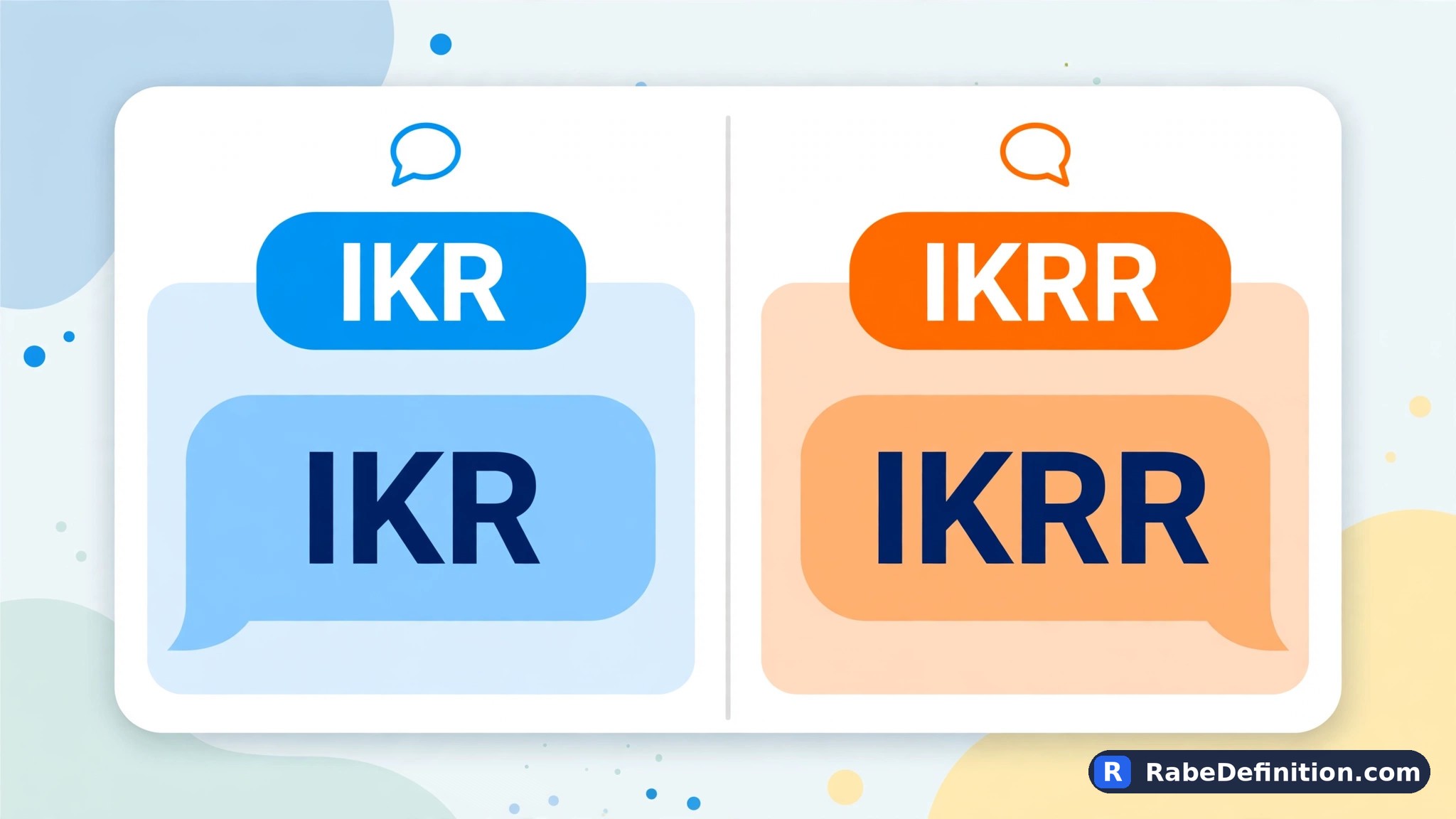
Both forms carry the same basic meaning, so the difference is strength, not definition. IKR is the standard spelling, the one dictionaries list and every texter recognizes instantly. IKRR is an informal stretch of it, chosen when plain agreement does not feel like enough.
A useful rule: reach for ikr for normal, everyday agreement, and save ikrr for the moments that genuinely hit home — a complaint you share completely, a joke that describes your life, a surprise you both saw coming. When you are unsure which one fits, ikr is always the safe choice, because nobody reads it as too much.
Audience matters too. People who text less often may pause at ikrr and wonder if it is a mistake, while regular texters read the extra R instantly.
When Should You Use IKRR?
IKRR fits when a friend says something you relate to so strongly that a plain reply feels weak. Funny observations, shared complaints, and “this always happens to me” moments are its home ground. It also works in comment threads under posts that describe a common experience.
Skip it when the news is serious and the other person needs a real response, not a reaction. Leave it out of work chats and messages to people you have just met, where full words show more care. And never answer a DNI-style boundary with a playful reaction.
Common Misunderstandings About IKRR
“IKRR is a completely different word.” It is not. The letters still spell out the same phrase as IKR, just with the last one repeated.
“It is always a typo.” Usually the doubling is deliberate, though a genuine typo can happen too, and the surrounding chat tells you which.
“The extra R makes it rude or sarcastic.” The letter itself adds emphasis, not attitude. Sarcasm comes from the conversation around it, the same as with IKR.
“There is a correct number of Rs.” There is not. Two is the common stretched form, and anything longer is just playfulness.
Like ISTG, ikrr is read through the conversation around it, not the letters alone.
Pro Tips For Using IKRR Naturally
- Match the energy you were sent. A dramatic message earns ikrr; a calm one only needs ikr.
- Use it once per topic. Repeating it under every message drains the emphasis fast.
- In one-on-one chats, add a short follow-up sometimes so the reply does not feel like a dead end.
- Keep stretched spellings away from group chats that include teachers, coworkers, or relatives you barely know.
- If you would not say it with that much drama out loud, do not type it either.
Final Thoughts
The ikrr full form is “I know, right, right?”, which is really IKR with its final letter doubled. The extra R adds emphasis, not a new meaning, so the reply still signals strong agreement. People reach for it when someone’s comment matches their own reaction almost perfectly. It fits fast, casual chats where a plain “same” would feel too flat.
Use ikrr the way you would say “I know, right?” out loud. Save it for friends who already chat casually with you, and match the energy of the message you are answering. When a chat turns serious or formal, spell the thought out in full words instead. Read this way, one letter is easy to understand and use for real.
FAQ Section
Q1: What does “ikrr” mean in a text message?
IKRR means “I know, right, right,” a stronger way of writing IKR in a chat. It shows you agree with someone and feel the same way, with extra emphasis.
Q2: Is “ikrr” different from “ikr”?
The meaning stays the same, but ikrr carries noticeably more energy than ikr. Picture it as saying “right” a little louder instead of changing the message.
Q3: Can I use “ikrr” in professional messages?
No, ikrr is casual slang and looks out of place in work messages. Write “I agree” or “exactly” in full when the setting is formal.
Q4: Where did “ikrr” come from?
IKRR grew out of IKR as people stretched the spelling in casual chats. No single person created it, and the doubled letter has no official launch.
Q5: Is “ikrr” only used by younger people?
It spread first in younger, fast-moving chats, but it is not limited to one age group. Anyone texting casually with friends may use it when the tone fits.