
Tips for Finding the Right Motorcycle for Your Lifestyle
Choosing a motorcycle is one of the most personal decisions a rider can make. Unlike buying a car where practicality and budget often dominate the decision, a motorcycle purchase involves matching the machine to your riding style, physical capabilities, and how you plan to use it day to day. Whether you’re a commuter, weekend adventurer, or long-distance traveler, the right bike can transform your riding experience. The wrong one, however, can lead to frustration, discomfort, and a machine that sits idle in your garage.
1. Assess Your Riding Experience Level
Your skill level should be the foundation of your motorcycle choice. New riders benefit from lighter, more manageable bikes with lower seat heights and less aggressive power delivery. A heavy cruiser or supersport might look appealing, but struggling with weight and power can shake your confidence and increase accident risk. Intermediate and experienced riders have more options available to them, though even veterans might prefer a particular style based on what they’ve ridden before.
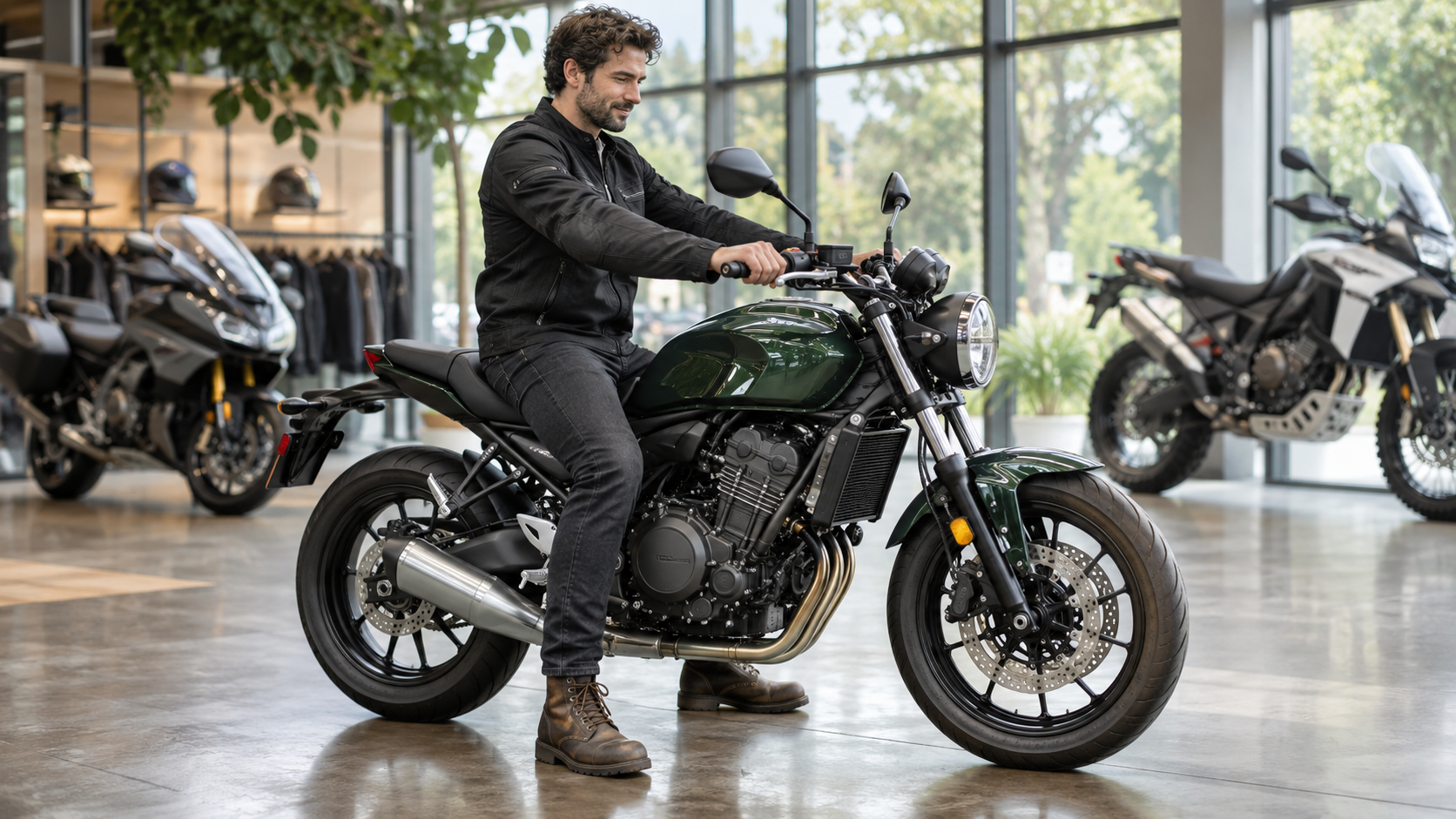
Spending time at a motorcycle dealership or rental shop can help you understand your comfort zone. Sit on different bikes, feel their weight distribution, and test how easily your feet reach the ground. Many dealerships and training programs offer test rides that let you experience different categories firsthand. This hands-on approach eliminates guesswork and helps you make a decision based on actual feel rather than magazine reviews or social media trends.
2. Define Your Primary Use Case
How you plan to ride your motorcycle shapes every aspect of the machine you should purchase. A commuter bike prioritizes fuel efficiency, comfort for shorter rides, and manageable insurance costs. A cruiser emphasizes low-slung seating, relaxed ergonomics, and highway cruising. A sport bike focuses on performance, agility, and speed. An adventure or dual-sport motorcycle balances on-road and off-road capability for riders who want versatility.
Consider where and how often you’ll ride. If you’re navigating city streets daily, a lighter bike with responsive handling matters more than raw power. If you’re tackling mountain roads on weekends, you might want something with better braking and cornering ability. For long-distance touring, comfort becomes paramount, and additional features like fairing protection, larger fuel tanks, and cruise control become attractive additions. Be honest about your typical riding patterns rather than imagining yourself as someone you’re not.
3. Evaluate Physical Fit and Comfort
Motorcycle riding demands that your body align properly with the machine. Seat height, handlebar reach, and overall geometry should match your proportions. If you can’t comfortably touch the ground with both feet, you’ll struggle at traffic lights and may feel unstable. If handlebars are too far forward, your wrists and arms will fatigue quickly on longer rides. Poor ergonomics can turn an otherwise excellent bike into an uncomfortable ordeal.
Visit multiple dealerships and test ride several models in your target category. Pay attention to how the bike feels after 30 minutes of riding, not just during a five-minute sit. Fatigue, pressure points, and awkward angles become apparent only after real time in the saddle. Consider your height, inseam, and arm length when reviewing manufacturer specifications. Some brands are known for aggressive positioning that suits younger riders, while others cater to comfort-focused buyers. Adjustable seats, handlebars, and foot pegs can sometimes improve fit, but they add cost and should be factored into your total budget.
4. Balance Performance Needs With Budget Reality
Performance capabilities and purchase price often move in opposite directions. A high-performance sportbike delivers impressive acceleration and handling precision, but it comes with premium insurance costs and fuel consumption that reflects its aggressive nature. A practical commuter bike costs less upfront and is cheaper to insure, but might bore experienced riders seeking more excitement. Determining where your priorities fall helps narrow the field considerably before you visit a dealership.
Determine your total budget, including the purchase price, insurance, registration, maintenance, and gear. Many new riders underestimate ongoing costs and purchase a bike they can’t afford to ride comfortably. Used motorcycles offer better value for budget-conscious buyers, though they require careful inspection and might come with unknown service history. Factor in that higher-performance bikes often demand more frequent maintenance and more expensive repairs. Riders who want the iconic American cruiser experience and are shopping for a new harley motorcycle will find that comparing trim levels and touring packages helps clarify which model genuinely suits their budget and riding goals. A moderately priced bike that fits your riding style perfectly serves you better than an aspirational purchase that strains your finances or doesn’t match how you actually ride.
5. Research Reliability and Maintenance Requirements
Not all motorcycles are equal when it comes to reliability and parts availability. Established manufacturers with long histories generally offer better dealer networks, easier access to parts, and more consistent build quality. Obscure or discontinued brands might be appealing bargains, but servicing them becomes problematic if you can’t find parts or qualified mechanics locally.
Check online forums and owner communities for real-world feedback about specific models you’re considering. Ask experienced riders about common problems, expected service intervals, and whether parts are readily available in your area. Some bikes are known for bulletproof reliability requiring only basic maintenance, while others demand meticulous care and frequent repairs. A bike with a lower purchase price but expensive maintenance might cost you more over time. Visiting local motorcycle shops and asking what models they service most often reveals what’s popular and supported in your community.
Conclusion
Selecting the right motorcycle requires balancing multiple factors, including your experience level, intended use, physical fit, budget, and practical maintenance considerations. Taking time to assess each area prevents costly mistakes and leads to a purchase that truly enhances your riding life. Visit dealerships, test ride different models, talk to experienced riders, and resist the pressure to buy something that doesn’t feel right. The perfect motorcycle for your lifestyle is the one that keeps you safe, comfortable, and enthusiastically reaching for your helmet every time you head out.