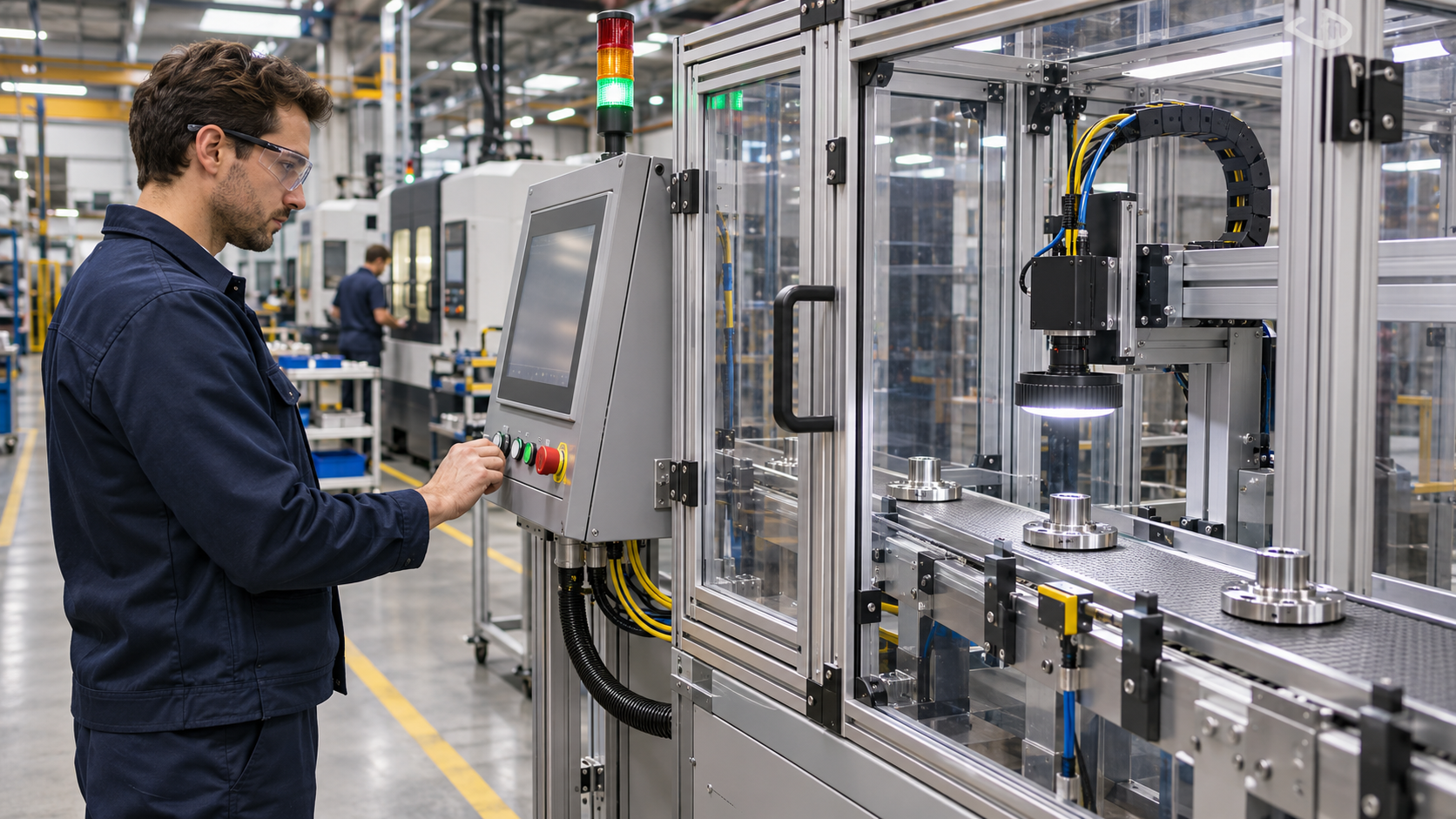
How Customized Automation Drives Operational Excellence
When operations teams struggle with repetitive manual tasks, productivity stalls and errors accumulate. Customized automation has emerged as a transformative solution for organizations seeking to streamline workflows and achieve consistent, high-quality results. Rather than adopting one-size-fits-all software, many companies now recognize that tailored automation solutions address their unique operational challenges more effectively. This approach bridges the gap between generic tools and the specific needs of individual departments and business units.
Understanding Customized Automation in Operations
Customized automation refers to designing and implementing systems that automate workflows specific to an organization’s processes, rather than forcing those processes to conform to pre-built software. This distinction matters significantly because every business operates with its own complexity, industry requirements, and internal standards. When automation is customized, it maps directly to how work actually flows through an organization, eliminating unnecessary steps and reducing bottlenecks. Unlike off-the-shelf solutions that require extensive workarounds, tailored systems integrate seamlessly with existing tools and databases.
The foundation of customized automation lies in thorough process analysis. Organizations must first document their current workflows in detail, identifying where manual intervention slows progress and where errors frequently occur. This investigation reveals opportunities for automation that generic solutions might overlook. For example, a manufacturing facility might have unique quality control checkpoints that only their team understands, requiring automation that incorporates these specific requirements. By building automation around these realities, companies create systems that feel natural to employees rather than disruptive.
Identifying Processes Ready for Automation
Not every operational task benefits equally from automation. The most successful customization projects begin by identifying which processes deserve investment in tailored solutions. Processes that are highly repetitive, rule-based, and performed frequently represent ideal candidates for automation. Tasks requiring consistent data entry, validation, or transfer between systems drain resources and introduce human error at an unnecessary rate. When the same decision logic repeats across dozens or hundreds of transactions daily, automation provides immediate value.
Volume and frequency serve as key metrics when prioritizing automation opportunities. A task performed once monthly may not warrant investment, but the same task performed hundreds of times daily becomes an obvious target. Additionally, processes that directly affect customer experience or regulatory compliance should rank higher in priority. For instance, a financial services company might prioritize automating loan application verification since errors directly affect customer satisfaction and compliance obligations. Conversely, tasks requiring significant human judgment or creativity typically remain poor automation candidates, as machines cannot replicate nuanced decision-making.
Stakeholders from the affected departments should participate in identifying automation opportunities. Front-line employees often spot inefficiencies that managers overlook because they work within the processes daily. These conversations also build buy-in for upcoming changes, since team members feel heard during the planning phase. When workers understand why automation is being implemented and how it will reduce their repetitive workload, resistance diminishes considerably.
Designing Solutions Around Specific Business Needs
Effective customized automation requires close collaboration between business teams and technical developers. During design phases, clear communication about requirements prevents misaligned expectations later. A poorly designed automation system can create new problems even while solving old ones. The design process must account for edge cases, exceptions, and variations that occur in real-world operations. Standard templates rarely accommodate these variations without significant modification.
Integration with existing systems represents another critical design consideration. Customized automation often needs to connect multiple databases, legacy systems, and modern cloud platforms. When these systems communicate seamlessly, data flows through workflows without manual re-entry or translation. A healthcare organization implementing customized automation in patient record management, for example, must ensure the system pulls information from electronic health records, integrates it with billing systems, and updates archives. Failure to address these integration requirements results in automation that functions in isolation, providing limited organizational benefit.
The design should also include robust monitoring and error-handling capabilities. Automation systems must alert relevant personnel when exceptions occur or data quality issues arise. A manufacturing company automating order fulfillment needs the system to flag unusual orders or inventory discrepancies immediately, allowing human workers to investigate. During the design and engineering of motion control components for these kinds of automated systems, manufacturers rely on Rollon design solutions to supply linear motion solutions that keep material handling and conveyor operations running precisely and reliably. Without these safeguards, automation can perpetuate problems at scale, creating larger issues than the ones it was designed to solve.
Measuring and Optimizing Performance
After implementation, customized automation requires ongoing performance measurement to demonstrate value and identify optimization opportunities. Organizations should establish clear metrics before launch, such as processing time reduction, error rate decrease, or cost savings. Tracking these metrics provides evidence of success and builds organizational confidence in automation investment. Without measurement, leaders cannot determine whether customization efforts delivered expected returns.
Performance data also reveals optimization opportunities that emerge only after real-world operation. A process might run successfully but still contain inefficiencies that were not visible during initial design. Continuous monitoring allows teams to refine automation logic, adjust rules, and remove unnecessary steps. For example, an e-commerce company might discover that their automated order routing sends too many low-value orders to premium fulfillment centers after launching the system. Performance metrics reveal this inefficiency, enabling configuration adjustments that reduce costs without affecting customer experience.
Employee feedback complements quantitative metrics by highlighting usability issues and unintended consequences. Workers interacting with automated systems daily notice friction points that automated monitoring might miss. Creating channels for this feedback and acting on legitimate suggestions demonstrates commitment to continuous improvement. When employees see their suggestions implemented, they become advocates for automation rather than skeptics.
Conclusion
Customized automation transforms operational excellence from an aspirational goal into an achievable reality. By tailoring systems to specific business processes rather than forcing processes into generic software, organizations eliminate unnecessary complexity and maximize efficiency. The investment in understanding current workflows, designing targeted solutions, and continuously optimizing performance pays dividends through reduced costs, fewer errors, and freed human capacity for higher-value work. As competitive pressures intensify across industries, organizations that thoughtfully implement customized automation gain meaningful advantages over those relying on generic tools or manual processes.