How Manufacturers Achieve Cleaner Processing Systems
Manufacturing facilities operate under constant pressure to maintain equipment efficiency while adhering to environmental and health standards. Cleaner processing systems reduce contamination risks, extend equipment lifespan, and improve product quality, yet many manufacturers struggle to implement effective cleaning protocols. The challenge lies not in whether cleaning is necessary, but in knowing which strategies deliver measurable results without disrupting production schedules. Understanding the methods that work separates manufacturers who maintain competitive advantage from those facing costly downtime and regulatory issues.
1. Implement Preventive Maintenance Schedules
Preventive maintenance stands as the foundation of any cleaner processing system. Rather than waiting for equipment to show signs of buildup or degradation, manufacturers establish regular cleaning intervals based on production cycles and equipment specifications. This approach reduces the accumulation of residue, contaminants, and byproducts that compromise both machinery and final products. When cleaning occurs on a scheduled basis, technicians can address small issues before they escalate into major problems requiring extensive system shutdowns. Many facilities find that consistent preventive cleaning actually reduces total maintenance time by preventing unexpected equipment failures that would otherwise halt production lines for days or even weeks.
Documenting maintenance activities creates accountability and helps identify patterns in equipment performance. Manufacturers that track cleaning dates, methods used, and any issues discovered during maintenance can refine their schedules over time. For example, a food processing facility might discover that cleaning every 72 hours prevents bacterial growth effectively, while a chemical manufacturer might need cleaning every 48 hours due to the reactive nature of their materials. The key is tailoring the schedule to individual equipment needs rather than applying a one-size-fits-all approach to every component in the system.
2. Select Appropriate Cleaning Technologies and Solutions
The cleaning method must match the type of contamination and equipment materials to achieve optimal results. Different processing systems accumulate different types of buildup, from mineral deposits to protein residue to chemical sludge. Manufacturers evaluate whether mechanical cleaning methods like scrubbing or pressure washing, chemical solutions, or ultrasonic cleaning would work best for their specific application. Some systems respond well to alkaline solutions that dissolve organic matter, while others require acidic cleaners to remove mineral scale without damaging sensitive components. Making the wrong choice wastes time, money, and resources while potentially damaging expensive equipment.
Consulting with equipment manufacturers and cleaning solution providers helps ensure compatibility and effectiveness. Many suppliers offer testing services or trial programs that allow manufacturers to evaluate cleaning methods on small batches or isolated system sections before full implementation. For plastic processing operations dealing with color or material changeovers, technicians rely on commercial purging compounds to efficiently remove resin residue from barrels and screws without requiring full disassembly. This deliberate approach to selecting cleaning technologies prevents costly mistakes and builds confidence in new protocols before they are rolled out across entire production lines.
3. Design Systems for Easy Access and Cleaning
Equipment design significantly influences how effectively systems can be cleaned. Manufacturers who work with equipment designers during the planning phase can specify features that facilitate thorough cleaning without requiring complete system disassembly. Access ports, removable panels, and strategically placed drain points reduce the time and labor required for maintenance cleaning. Some modern processing systems include integrated cleaning-in-place (CIP) technology, which circulates cleaning solutions through equipment automatically without manual intervention or component removal. These design features represent an upfront investment that pays dividends throughout the equipment’s operational life.
When evaluating existing equipment, manufacturers can often retrofit systems with improvements that enhance cleanability. This might include adding inspection windows to monitor internal cleanliness, installing drain valves at the lowest points of tanks, or creating access routes that eliminate the need for workers to squeeze into confined spaces during cleaning. For example, a beverage manufacturer might add transparent sections to piping systems so operators can visually confirm that cleaning solutions have removed all residue from interior surfaces. These modifications require planning and investment but typically generate positive return on investment through reduced cleaning time and fewer production interruptions.
4. Train Staff on Proper Cleaning Procedures
Well-trained technicians perform cleaning work more efficiently and thoroughly than untrained personnel. Manufacturers should develop comprehensive training programs that cover the specific equipment used in their facilities, the contamination risks present in their processes, and the proper application of cleaning methods and solutions. Effective training explains not just how to perform cleaning tasks, but why each step matters and what problems result from shortcuts or incomplete work. When staff understand the connection between proper cleaning and product quality, equipment longevity, and regulatory compliance, they invest greater care in their work. Regular refresher training keeps procedures current and reinforces best practices, especially when new staff join the team or equipment changes occur.
Documentation of cleaning procedures in written or video format ensures consistency across shifts and among different technicians. Some manufacturers create step-by-step guides with photographs or videos showing each stage of the cleaning process, what the equipment should look like when properly cleaned, and common mistakes to avoid. This documentation becomes invaluable during staff turnover when experienced workers leave and new personnel require rapid training. When every technician follows the same proven procedure, cleaning quality remains consistent, and managers can identify problems more easily because deviations from standard practice become immediately apparent.
5. Monitor and Test for Cleanliness Verification
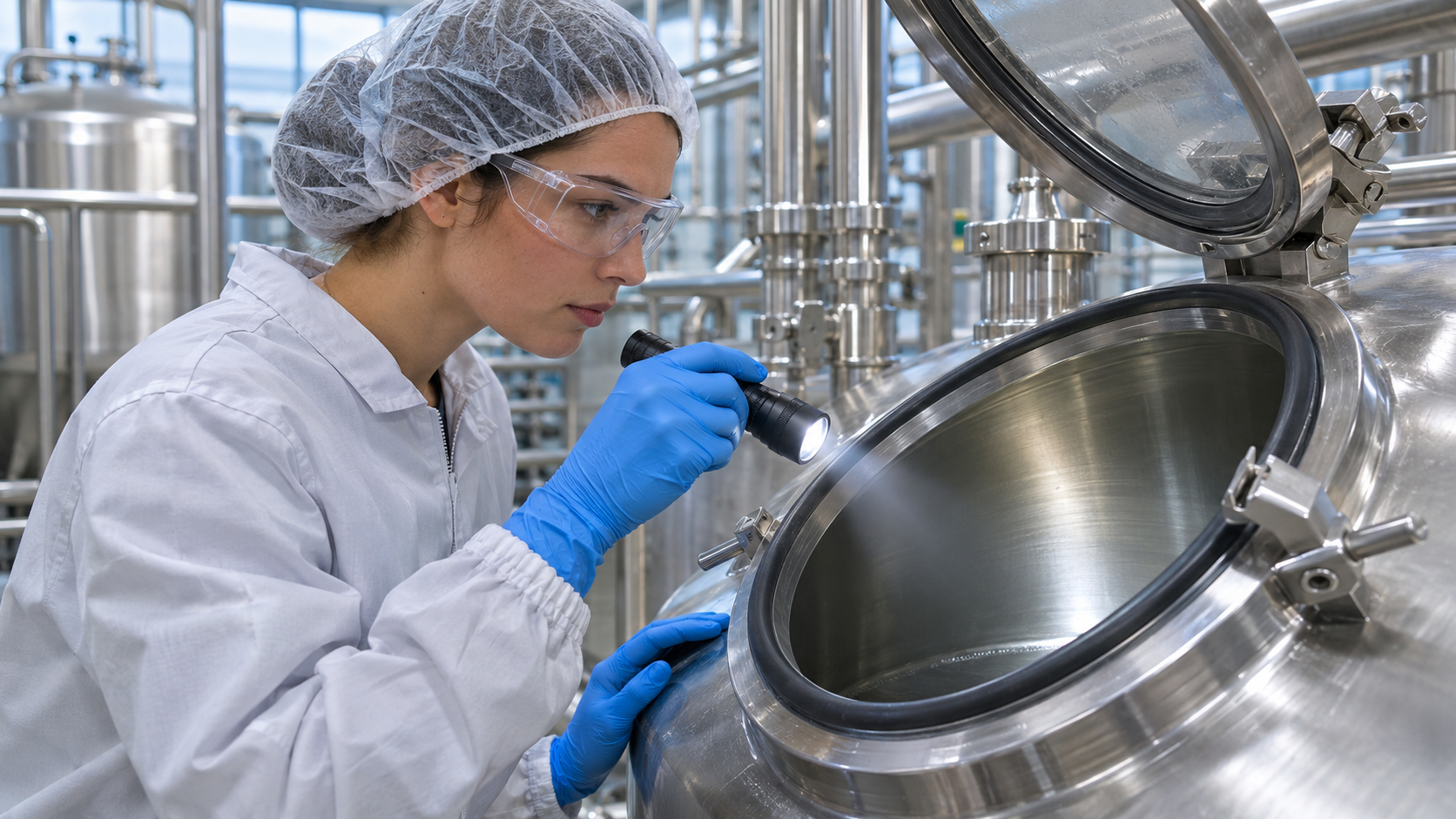
Measuring cleanliness provides objective evidence that cleaning efforts achieve desired results. Many manufacturers employ testing methods appropriate to their industry, such as ATP swabs that detect organic residue, particle counting systems that identify contamination levels, or visual inspections under controlled lighting conditions. Regular testing establishes baseline cleanliness standards and reveals whether current cleaning procedures maintain those standards consistently. When testing data shows declining cleanliness, manufacturers can adjust their approach before quality problems or equipment damage occurs. This data-driven approach replaces guesswork with concrete information about system condition.
Different industries have established cleanliness standards that manufacturers must meet for regulatory compliance and product safety. For example, pharmaceutical manufacturers must meet stringent standards for residue levels in processing equipment, while food facilities must eliminate pathogenic bacteria and cross-contamination risks. By testing regularly and maintaining records of results, manufacturers demonstrate compliance to regulators and build confidence with customers about their quality control practices. Some facilities maintain redundant testing methods to verify results and ensure their measurement procedures remain accurate and reliable over time.
Conclusion
Cleaner processing systems result from a combination of strategic planning, appropriate technology selection, thoughtful equipment design, skilled personnel, and objective verification methods. Manufacturers that excel at maintaining clean systems understand that this goal requires commitment across multiple areas of their operation rather than a single solution. The investment in preventive maintenance, staff training, and monitoring infrastructure pays off through extended equipment life, improved product consistency, and reduced regulatory risk. As manufacturing operations grow more complex and customer expectations for quality and safety continue to rise, the ability to maintain genuinely clean processing systems has become a competitive necessity rather than simply a standard industry practice.