
Zesty Meaning: What Does Zesty Mean in Slang and Texting?
The zesty meaning in current slang points at a person — most often a guy — whose mannerisms read as flamboyant, expressive, or stereotypically feminine. Urban Dictionary records the sense plainly, as another way of calling a guy suspect based on his words or actions. The same word also keeps its older dictionary job, covering tangy food and lively, full-of-energy people.
Friends aim the slang sense at each other as teasing, usually about a dance move, an outfit, a gesture, or a way of talking. The joke depends on the relationship, because the same comment from a stranger can land as mockery aimed at the person’s perceived sexuality. Food and performance talk runs on the older sense instead, so a zesty sauce and a zesty dance routine are not making the same claim.
This page separates the two senses and shows how the surrounding context sorts them on each platform. It covers real conversation examples, the rude-versus-playful line, and replies for every reading of the word. It also traces the older word behind the slang, zest, and lists clearer words to use when the slang could be misread.
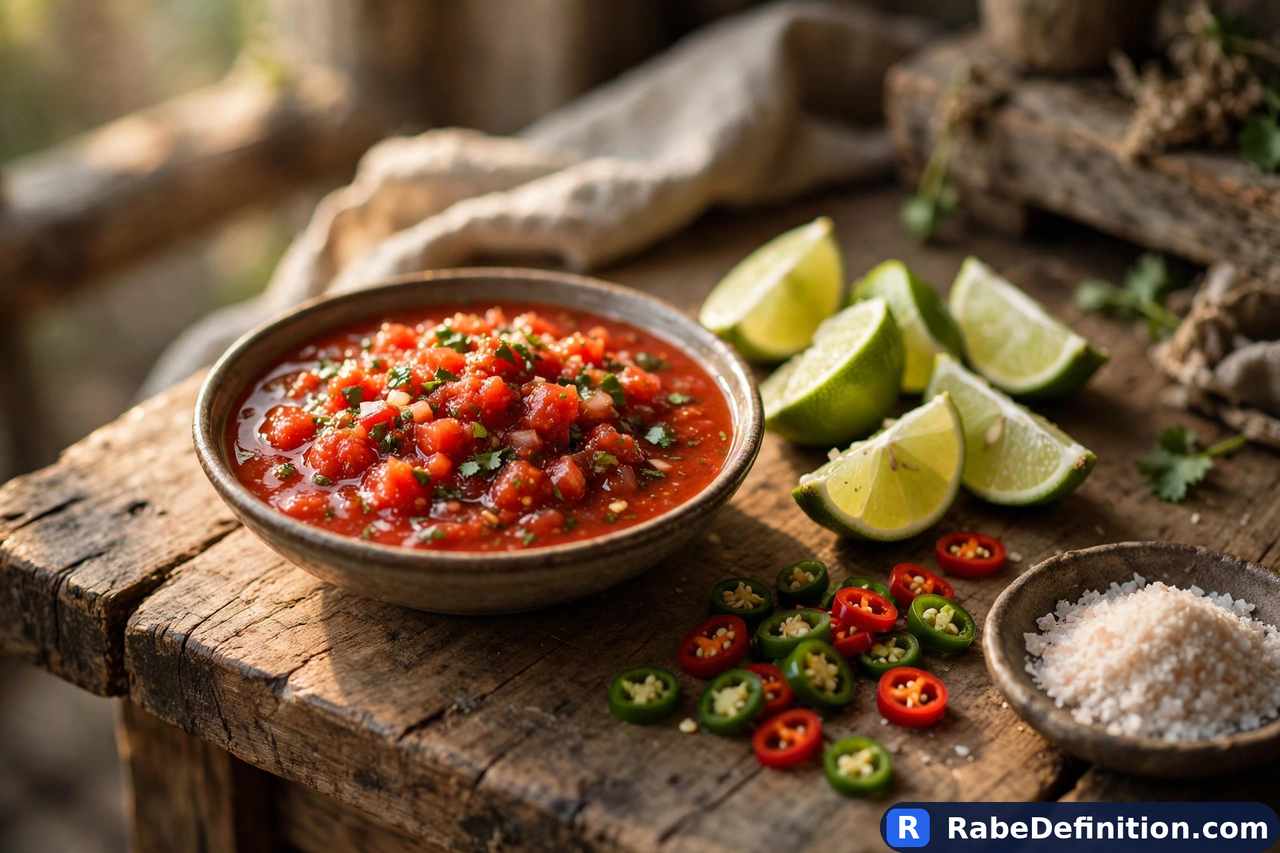
What Does Zesty Mean in Slang?
In slang, zesty describes a person — usually a guy — whose behavior, style, or mannerisms strike the speaker as flamboyant, expressive, or stereotypically feminine; as a regular English word, it means lively or pleasantly sharp in flavor.
| Detail | Explanation |
|---|---|
| Most Common Slang Meaning | Flamboyant, expressive, or feminine-coded behavior |
| Standard Meaning | Lively, spirited, or tangy and full of flavor |
| Tone | Teasing between friends; mocking when aimed at a stranger |
| Common Platforms | Texts, TikTok, Instagram, memes, gaming chats |
| Formal or Informal | Informal as slang; the flavor sense is fine anywhere |
One point saves a lot of confusion: zesty is not initials. There is no hidden full form behind it, because the slang is an ordinary English adjective borrowed for a new job.
How to Pronounce Zesty
Say it the way it looks: “ZEST-ee,” two syllables, stress landing on the first. It rhymes with “testy,” which occasionally adds to the joke when the two get swapped in a fast chat. The slang and the sauce are pronounced exactly alike, so your ears can’t separate the senses — the sentence around the word has to do it.
The Main Zesty Slang Meaning
As slang, zesty grades how someone comes across: gestures a little bigger than usual, a dramatic reaction, a bold outfit, a way of moving or speaking that the commenter reads as flamboyant or feminine-coded. It comments on presentation, not on facts about the person.
The label belongs to a small family of appearance-and-manner comments that live under photos and clips. A close cousin is dsl, which grades one feature just as bluntly. Both travel as jokes inside friendly threads, and both stop being jokes when the target never asked for a review.
Crucially, the slang says nothing reliable about the person’s actual sexuality. Expressive behavior and orientation are different things, and most of the word’s trouble starts when a listener treats the tease as a diagnosis.
Zesty Can Also Mean Lively or Energetic
Strip the slang away and a perfectly ordinary adjective remains. Merriam-Webster defines zesty as “having or characterized by zest: appealingly piquant or lively,” and its own examples run to sauces and humor.
That older sense covers two everyday territories. In the kitchen it means tangy, spicy, or bright with flavor — a dressing, a salsa, a marinade. About people and performances it means spirited and full of energy, so a zesty personality is a compliment with no sideways edge at all.
The subject decides which sense applies. Chicken, soup, and salad dressing pull the word toward flavor; a personality pulls it toward liveliness; a guy’s dance video in a group chat is where the slang reading usually moves in.
Where Zesty Comes From: The Word Zest
The slang is young, but the word underneath it is not. Zest entered English around 1674 from the French zeste, the peel of an orange or lemon used as flavoring, and the figurative sense — a quality that adds piquancy and enjoyment — grew out of the kitchen meaning soon after.
Zesty itself is recorded from 1826 in Merriam-Webster’s dating, always in that lively-or-piquant territory. The slang use is best understood as the personality sense pushed further: someone so lively and expressive that the flavor word got borrowed as a tease. No single creator or first slang use is documented, and this page prints the origin at exactly that strength.
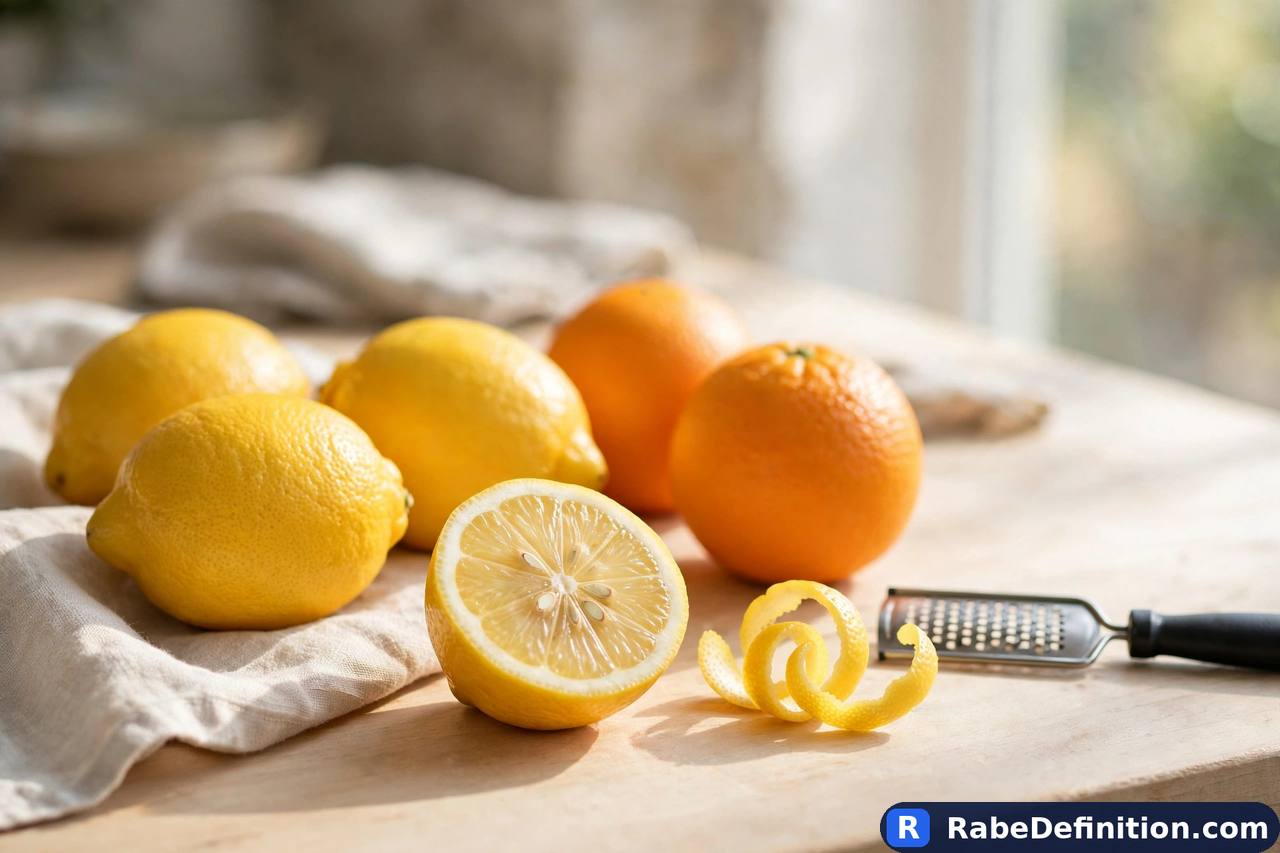
How Context Changes the Meaning of Zesty
Four clues do most of the sorting: the subject, the speaker, the relationship, and the reaction the comment is fishing for.
The subject. Food almost always means flavor. A performance usually means energy. A person’s mannerisms in a casual thread are where the slang sense lives.
The wording nearby. Calling an over-the-top reaction zesty is close kin to calling it dtm — both tease someone for doing the most. Calling a lemon dressing zesty is a recipe note, nothing more.
The relationship. Between close friends, the word usually runs as a running gag. From someone barely known, the same word reads as a judgment on how a person talks, moves, or dresses.
The punctuation and emoji. A laughing emoji frames a tease; a cold, plain sentence frames a verdict. Neither can rescue the word entirely, but both steer how it lands.
Zesty Meaning in Text and on Social Media
The slang sense barely changes as it moves between apps; what changes is how public the comment is. Group chats also run on older shorthand that still trips people up — a relic like asl can confuse a reader in the same thread where zesty confuses nobody.
Text Messages and Group Chats
In private threads, zesty is mostly friend-to-friend teasing about a selfie, a voice note, or a story from the weekend. The privacy matters: the same line posted publicly follows the person around in a way a group-chat joke doesn’t.
TikTok and Instagram
Comment sections under dance clips, outfit checks, and skits are the slang’s busiest habitat. A single word — “zesty” — dropped under a video usually targets a gesture or expression the commenter found theatrical. Creators read it both ways: some laugh along, others hear a jab at how they present themselves.
Snapchat
On Snapchat the word rides along with snaps between friends, so the teasing frame is usually built in. It can also show up in its plain sense when the snap is of lunch — a zesty-looking taco is about flavor, not about anyone’s mannerisms.
Discord and Gaming Chats
In gaming servers, zesty gets aimed at voice-chat reactions, character emotes, and dramatic callouts. The meaning leans on the server’s own humor: tight-knit groups use it as a badge, while open servers can turn it into pile-on teasing aimed at whoever reacted loudest.
Real Conversation Examples
Example 1: A Dance Clip
Jayden: Posted the routine from Saturday. Be honest.
Marcus: The spin at the end? Fully zesty.
Jayden: I’ll take it. That was the goal.
Meaning: Friendly teasing about expressive dancing, and Jayden is happy to hear it.
Example 2: A Recipe Chat
Priya: The soup needs something. It’s flat.
Tom: Add lime juice and chili oil. Make it zesty.
Meaning: The ordinary flavor sense — tangy and bright — with no slang in the room.
Example 3: A Comment That Misses
Alex: Why did you walk in like that? Kind of zesty.
Sam: And what is that supposed to mean, exactly?
Meaning: Aimed at a near-stranger, the tease lands as a judgment and the conversation stalls.

Is Zesty Rude?
It depends on aim. Between friends who trade this kind of teasing daily, zesty usually registers as a joke about a moment — a pose, a move, a dramatic entrance. The target laughs because the relationship has already settled that this is play.
Aimed outward, the picture changes. Used about someone the speaker barely knows, or in front of an audience, the word mocks how a person expresses themselves, and it often carries a suggestion about their sexuality that they never invited. That is the version people object to, and the objection is about the aim, not the letters.
Is Zesty Offensive?
The word is not a slur, and dictionaries don’t mark the standard adjective as offensive. The slang use can still offend, because its humor often leans on the idea that feminine-coded behavior in a guy is funny or suspect. When the joke needs that assumption to work, it stops being neutral teasing.
If you’re unsure which way a comment will land, that uncertainty is itself the answer: pick a clearer word, or keep the thought in the group chat where the teasing is mutual.
Zesty From a Guy vs. a Girl
The slang is aimed at guys far more often than at anyone else, whoever sends it. From a guy to his friends, it usually works as locker-room teasing about mannerisms — a crossed leg, a flourish, an expressive rant. From a girl in the same friend group, it tends to arrive dressed as hype or affectionate teasing, and friends often receive it that way.
The quiet one in the group — the friend who usually plays the sigma role and says little — can drop it deadpan and get the biggest laugh of the night. As ever, the history between the people outranks the gender of the speaker.
How to Reply to Zesty
Pick a reply that fits how the comment actually sat with you. The sets below cover playing along, joking back, and asking what was meant.
Friendly Replies
- “And proud of it.”
- “You noticed. Good.”
- “That’s the brand.”
- “Took you long enough to catch on.”
Funny Replies
- “Zesty? This is premium seasoning.”
- “Careful, I’m limited edition.”
- “Better zesty than bland.”
- “The flavor was intentional.”
Replies When You Are Confused
- “Zesty how? Explain.”
- “Is that about the outfit or the energy?”
- “Wait — slang or sauce?”
- “Say more. I’m not decoding that one.”
And if the comment stung, a flat “not funny” — or no reply at all — closes the subject just as completely.

When to Use the Term
The slang is at home in private chats among friends who already tease each other this way, in meme threads where the target is in on the joke, and under your own posts when you’re describing yourself. The standard sense needs no such care: calling food, humor, or a performance zesty is ordinary English everywhere.
When to Avoid the Term
Keep the slang out of work chats, school assignments, client messages, and anywhere a screenshot could travel. Avoid it about strangers and new acquaintances, whose reading you can’t predict, and never use it as a label for someone’s sexuality — it describes mannerisms, and treating it as more than that is where it turns ugly.
Zesty in Dating and Relationships
On dating apps, zesty shows up two ways. In profiles it’s the standard sense doing honest work — “zesty personality” is someone advertising energy and humor. In chats, aimed at a match’s photos or voice notes, it’s the slang sense, and as an opener it is a coin flip — the sender hopes for charm, and the receiver often hears a comment about their mannerisms from someone they met an hour ago.
Inside an established relationship, the word can soften into private shorthand, even a pet compliment, because the trust underneath it is already settled. One caution runs the other way: a single teasing comment from a crush proves nothing at all, and reading a whole romance into it is the spiral limerence names.
What to Say Instead of Zesty
- “Expressive.” — describes the manner without the teasing edge.
- “Flamboyant.” — the direct word for bold, theatrical style.
- “Full of energy.” — the lively sense, stated plainly.
- “Tangy” or “spicy.” — for food, when flavor is all you mean.
Each of these says the intended thing out loud and leaves the sideways suggestion unsaid, which is the entire upgrade.
Common Mistakes With Zesty
Assuming it always comments on sexuality. The slang grades mannerisms and expression. It can also mean nothing but lively or flavorful, and it is never evidence about a person’s orientation.
Counting every use as an insult. Plenty of friends use the word playfully every day, and the standard sense is a compliment. The aim and the audience decide whether a given use is rude.
Hunting for a full form. Zesty is not an acronym and has no expansion to find. It is a regular adjective doing slang work.
Reading it without the message around it. “Zesty chicken” and “you’re acting zesty” are different sentences wearing the same word. The subject settles the sense before anything else does.
Similar Slang Terms
| Term | Meaning | Main Difference |
|---|---|---|
| Flamboyant | Bold, showy, attention-drawing | A standard word, descriptive rather than teasing |
| Extra | Over-the-top, doing more than the moment needs | Targets the scale of behavior, not its style |
| Sassy | Bold and cheeky, with attitude | Praises nerve; no flamboyance required |
| Dramatic | Theatrical, emotionally big | Broader, and carries no gender coding |
| Fruity | Slang hinting at queer or flamboyant traits | Points more directly at sexuality than zesty does |
These words share conversations and sometimes targets, but they are not interchangeable: each one accuses or praises a slightly different thing.
Origin and Popularity of the Slang Use
The honest origin record is short. The slang sense appears to be the old personality sense — lively, spirited, full of flavor — stretched into a tease about expressive behavior, spread through memes, comment sections, and short video. No verified creator, first post, or exact date exists for the shift, and claims that name one should be treated as guesses.
What can be said firmly is that the standard adjective is centuries old and never went away, so the slang is a recent layer on a living word rather than a new coinage. That is also why the two senses keep colliding: the word never left the kitchen or the compliment column while the teasing sense grew up online.
Frequently Asked Questions
What does zesty mean in text?
In a text about a person, zesty usually carries the slang sense: flamboyant, expressive, or feminine-coded behavior.
In a text about food, it keeps its ordinary sense: bright, tangy, and big on flavor.
Is zesty rude?
Between friends who tease each other, it usually lands as a joke about a moment.
Aimed at someone barely known, it can read as mockery of their mannerisms or perceived sexuality.
What does zesty mean on TikTok?
On TikTok it appears under dance clips, outfit checks, and skits as a one-word comment on a theatrical gesture or expression.
Creators receive it both ways, as hype from fans and as a jab from strangers.
How should you reply to zesty?
Play along, joke back, or ask what the sender meant — all three fit different readings of the comment.
If it stung, saying so plainly, or not replying at all, is a complete answer.
Can zesty have different meanings?
Yes: the slang sense grades expressive behavior, while the standard sense covers lively people and tangy, full-flavored food.
The subject of the sentence nearly always settles the question.
Final Thoughts
The zesty meaning people meet is a slang label for behavior that reads flamboyant, expressive, or stereotypically feminine, aimed mostly at guys and carried by tone more than by the word itself. The older sense never left: lively, spirited, and pleasantly sharp, as dictionaries still define it. Context, meaning the subject, the speaker, and the relationship, decides which sense is live in any message.
Use the slang only where teasing is genuinely shared, and skip it with strangers, coworkers, or anyone whose reaction you cannot predict. When you mean flamboyant, energetic, or playful, plainer words say it without the sideways jab. And if the word lands on you, a joke back, a plain question, or silence are all fair replies.



One Comment