WTV Meaning: What It Means in Text and Chat
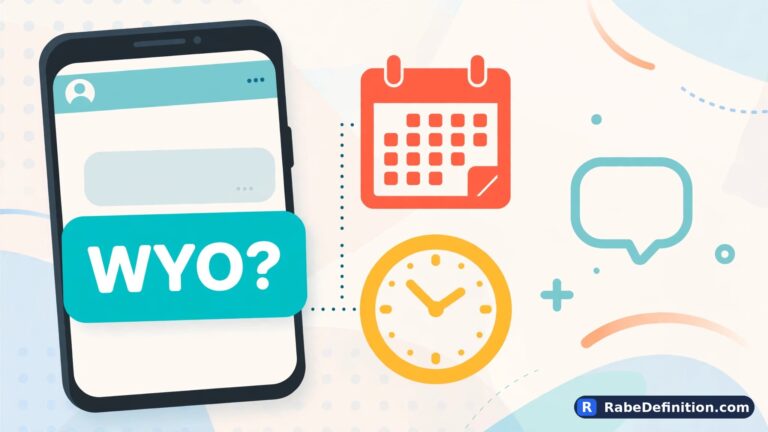
The wtv meaning is simple once you see it in a real chat: WTV means whatever. It is a short, informal way to answer when a choice does not matter much to you. People type it in texts, comments, and group chats where short replies are normal.
The same three letters can feel easygoing, bored, or annoyed, and the rest of the message tells you which one it is. A laughing emoji or a friendly follow-up keeps the tone light and relaxed. A bare reply with a period, sent mid-argument, lands much colder.
This guide explains what WTV stands for, how its tone shifts, and where the abbreviation fits on each big platform. It also covers replies that keep a chat friendly, mistakes that change the tone, and terms that look similar but mean something else. By the end, you will read any WTV in seconds and answer it the right way.
What Does WTV Mean?
WTV is short for “whatever” in texts and online chats. Senders use the three letters when they hold no strong view about a choice, a plan, or a topic. The reply can read as calm, playful, dismissive, or lightly annoyed, and the chat around it settles which one applies.
| Detail | Explanation |
|---|---|
| Most Common Meaning | Whatever |
| Full Form | Whatever |
| Tone | Casual, indifferent, dismissive, or annoyed |
| Common Platforms | Texting, social media, chats |
| Formal or Informal | Informal |
Take a simple case. A friend asks where the group should eat, and you answer, “WTV you choose works for me.” There, the letters hand the decision over, and nothing in the reply sounds upset. Dictionaries back the plain reading: as an interjection, “whatever” signals indifference to a situation or a previous statement, and WTV carries that same signal in typed form.
How to Pronounce WTV
Nobody spells the letters out one by one in speech. Said aloud, WTV sounds exactly like “whatever,” because the typed form is just the spoken word with its vowels dropped. In voice notes and videos, people simply say the full word.
Typing habits vary more than speech does. Lowercase “wtv” is the most common shape in casual chats, while capital letters can look louder or sharper than the sender intends. A soft “wtv lol” and a blunt “WTV.” can carry the same words and still feel like two different moods.
WTV Slang Meaning in Text
In everyday texting, the slang sense never strays far from the full word. A sender reaches for WTV when a plan is still open and any result is acceptable. The letters save time, and they keep the reply sounding casual rather than formal.
You will usually see it when someone:
- Has no favourite between the options on offer.
- Wants the other person to make the call.
- Feels neutral about how a situation turns out.
- Wants to drop a subject without a long explanation.
- Feels mildly annoyed and does not want a debate.
Picture two friends picking a film. One asks, “Comedy or action tonight?” The other answers, “WTV, you pick.” That is the friendly face of the term: no preference, no drama. Now picture the reply “WTV. Do what you want.” after a disagreement. Same letters, colder weather, because the words standing next to them have changed.
How Context Changes the Meaning of WTV
The letters stay fixed while the feeling moves. Context does that work for many short forms, from chat slang to the prn meaning on a medicine label, where the situation around the letters decides how they are read. Four everyday settings cover most WTV messages.
1. Casual acceptance
“WTV works for me” with a laughing emoji is the relaxed version. The sender is happy with any plan and is saying so without fuss. Nothing needs fixing after a message like this.
2. Indifference
“WTV, honestly I don’t mind either way” states the shrug out loud. The sender has no favourite and no strong feeling either way. The reply is honest rather than hostile, even if it sounds flat.
3. Dismissiveness
“WTV. I’m not discussing this anymore” closes the door. The short sentences and the final wording tell the other person the topic is over. This version is the one that most often starts a fresh argument.
4. Mild annoyance
“WTV” with an eye-roll emoji carries a small sting. The sender is irritated but is keeping the reply short instead of explaining why. Reading the messages just before it usually shows where the irritation started.
WTV Meaning on TikTok, Snapchat, Instagram, and Chats
The abbreviation travels well because every platform runs on short replies. Its core sense stays “whatever” everywhere, and only the setting changes how it feels. A comment under a video, a snap reply, and a family group chat each give the letters a slightly different temperature.
Text Messages
In plain texting, WTV shows up between people who already know each other’s style. “WTV you land on is fine” is a normal, friendly answer there. The shared history does the tone work that punctuation cannot.
TikTok and Instagram
On TikTok and Instagram, the letters appear in comments, captions, and direct messages. “WTV, this series has me hooked anyway” under a video reads as playful, not rude. Public comments lean lighter, since strangers read them without knowing the sender.

Snapchat
Snapchat replies are fast and short, and WTV fits that pace. “WTV lol, send the photo over” keeps a chat moving without a full sentence. The added “lol” tells the reader the shrug is friendly.
Group Chats and Online Communities
Group threads are where the no-preference sense earns its keep. When five people are picking a time, “WTV time suits the group, count me in” unblocks the plan. One short reply can settle what a long debate would not.
Real Conversation Examples
Short exchanges show the range better than definitions do. Each example below uses the same three letters, and each one lands differently.
1: Friends
Person A: “Movie night or game night, which one?” Person B: “WTV, both sound good to me.” Here the reply is pure flexibility. Person B likes both options and is happy to follow the other person’s pick.
2: Argument
Person A: “You cut me off every time I talk.” Person B: “WTV, think what you like.” This one ends the exchange rather than joining it. The shrug sounds dismissive because the conversation was already tense.
3: Group Chat
Person A: “Six or seven for dinner on Friday?” Person B: “WTV works, ask the rest of the group.” Person B steps aside and lets the group choose. The reply helps the plan instead of blocking it.
Is WTV Rude?
WTV is not rude by itself. The letters only turn rude when they brush aside someone’s feelings, question, or effort. A shrug aimed at a dinner plan is harmless, while a shrug aimed at an apology is not.
Small signals give the game away. “WTV, you choose” with a laughing emoji is relaxed, and “WTV, stop bothering me” is clearly hostile. A lone “WTV.” with a full stop sits in between and often reads colder than the sender meant. When you cannot tell, the sender’s usual style and the messages just before are the best guides.
Is WTV Flirty?
On its own, WTV is not a flirty message. Its basic job is a shrug, and a shrug carries no romantic signal by itself. Nobody should read interest into the letters alone.
Playful chats can bend almost any short reply, though. “WTV you say” with a smirking emoji can sound teasing because of the wording and the emoji around it. The flirtation lives in that packaging, not in the abbreviation.
What Does WTV Mean From a Guy or a Girl?
The letters mean the same thing from anyone: whatever. A guy sending “wtv” about a game time and a girl sending it about a meeting spot are both shrugging. Gender does not add a hidden second meaning to the term.
What changes the reading is the relationship, not the sender. Between close friends, the reply is usually banter, much like the teasing inside unc meaning slang. In a new or tense conversation, the same three letters deserve a slower, more careful read.
How to Reply to WTV
Match your reply to the tone you just read. A relaxed shrug deserves an easy answer, and an annoyed one deserves care. A short warm answer works best in most chats, the same way a kind reply fits the mashallah meaning when it lands as praise.
Friendly Replies
When the sender truly has no preference, just decide and move on. “Alright, pizza it is” or “Okay, I’ll pick then” keeps the chat flowing. Adding a light emoji keeps your answer as relaxed as theirs.
Funny Replies
In a playful thread, a gentle joke lands well. “Wow, such enthusiasm” or “Okayyy, executive decision is mine” teases without mocking. Keep the humour kind, and the exchange stays fun for both sides.
When WTV Sounds Dismissive
If the reply feels cold, slow down instead of firing back. “Are you actually okay?” or “Did something I said upset you?” opens a door. The other person can explain, and a small misunderstanding stays small.
When to Use WTV
Reach for WTV in casual chats where short forms are already the house style. Friends, siblings, and familiar group threads all read it correctly without effort. It is at its best when a quick no-preference answer keeps a plan moving.
It also works when you want the full word’s shrug without its weight. Typed short, the reply feels lighter and quicker than a spelled-out “whatever.” Just check the relationship first, since a new contact has no history to soften it.
When to Avoid WTV
Keep the abbreviation out of messages where clarity and respect carry the day. Job applications, work emails, client threads, school assignments, and formal announcements all need full words. A three-letter shrug in those places reads as careless, not casual.
Serious moments need full words too. A condolence message belongs closer to the elegy meaning than to chat shorthand, and an apology deserves complete sentences. When feelings are raw or the topic is sensitive, spell your answer out.
Common Mistakes About WTV
Assuming WTV always sounds rude. The reply might land as neutral, playful, flat, or cold, and the surrounding chat decides. Judging the letters alone gets the tone wrong half the time.
Treating WTV as one app’s private term. Its common meaning stays “whatever” across texting and the major social apps. No app owns it, and no app changes what it stands for.
Assuming WTV is automatically flirty. The abbreviation carries no romantic signal on its own. Only playful wording and emojis around it can give it that colour.
Reading the letters and skipping the message. A single emoji or one follow-up line can flip the whole feeling. The full thread is the real text, and the abbreviation is only one part of it.
WTV vs. Whatever: Is There Any Difference?
The meaning is identical, and only the shape changes. “Whatever” is the full English word, old enough that dictionaries trace it to Middle English, built from “what” plus “ever.” WTV is that same word squeezed into three letters for fast typing.
Tone can shift slightly with the shorter form. A spelled-out “whatever” in a message can look deliberate and heavy, while lowercase “wtv” feels tossed off and light. In speech there is no difference at all, since both come out as the same spoken word.
Other Meanings of WTV
Most of the time the letters mean “whatever,” but a few other expansions exist. Reference lists record “What’s the Vibe?” and “What’s the Verdict?” as casual question forms, plus “Web Television” in media contexts. Outside chat entirely, .wtv is a file extension for Windows recorded TV shows.
Context separates these senses without much trouble. A friend asking “wtv tonight?” is asking about the vibe, not shrugging. Readers check the heavier senses of other terms before using them, the way the zionist meaning gets checked before a headline, while WTV’s extra senses stay light and rare.
Similar Slang Terms
Nearby abbreviations share the same chats but not the same job. The table keeps the closest ones apart.
| Term | Meaning | Main Difference |
|---|---|---|
| WTV | Whatever | Signals a shrug, from acceptance to dismissal |
| IDC | I don’t care | States the lack of concern directly |
| IDK | I don’t know | Shows uncertainty rather than indifference |
| NVM | Never mind | Withdraws or drops an earlier thought |
| IDGAF | I don’t give a fuck | A much stronger, vulgar shrug |
The IDK and WTV pair causes the most mix-ups. IDK says the answer is missing, while WTV says the choice does not matter. Swapping them changes a helpful reply into a dismissive one.
WTV in Gaming and Discord Chats
Game lobbies run on speed, and WTV fits right in. Players type it when a map, a character, or a strategy pick makes no difference to them. “Wtv map, let’s just queue” keeps the group moving between matches.
Discord servers use it the same way in voice-channel planning and meme threads. The tone there leans playful, since server members know each other’s habits well. Even so, a bare “wtv.” after a lost match can read as salty, so regulars often add an emoji to keep it light.

Frequently Asked Questions
What does WTV mean in text?
In a text, WTV means “whatever,” and it usually shows no strong preference about a choice.
It can also accept a plan, shrug off a topic, or sound lightly annoyed.
Is WTV rude?
WTV is not rude on its own, and friendly wording around it keeps it fully neutral.
It only turns rude when it dismisses someone’s feelings or ends a talk coldly.
What does WTV mean on TikTok?
On TikTok, WTV means “whatever” in comments, captions, replies, and direct messages.
It is usually playful there, since public comments lean light and casual.
How should you reply to WTV?
Reply to the tone: pick the option if the shrug is relaxed, or joke back if it is playful.
If it sounds annoyed, ask calmly whether something is wrong instead of guessing.
Can WTV have different meanings?
The core meaning stays “whatever,” while punctuation, emojis, and context shift its feeling.
Rare expansions like “What’s the Vibe?” exist, but the shrug is the everyday sense.
Final Thoughts
The wtv meaning stays simple in every chat: it means whatever, typed short. Senders use it to accept a plan, shrug off a choice, or close a topic they no longer want to discuss. Punctuation, emojis, and the messages around it decide whether that shrug feels relaxed, playful, or annoyed, so the thread always matters more than the letters alone.
Use wtv only where short replies already feel normal, and spell the full answer out whenever feelings, money, or work are involved. A friendly extra word can soften the shrug, while a bare reply can sound like cold indifference even when none was meant. Read kindly, reply clearly, and the abbreviation will rarely cause trouble in everyday chats between friends.