GMFU Meaning: What Does GMFU Mean in Text?
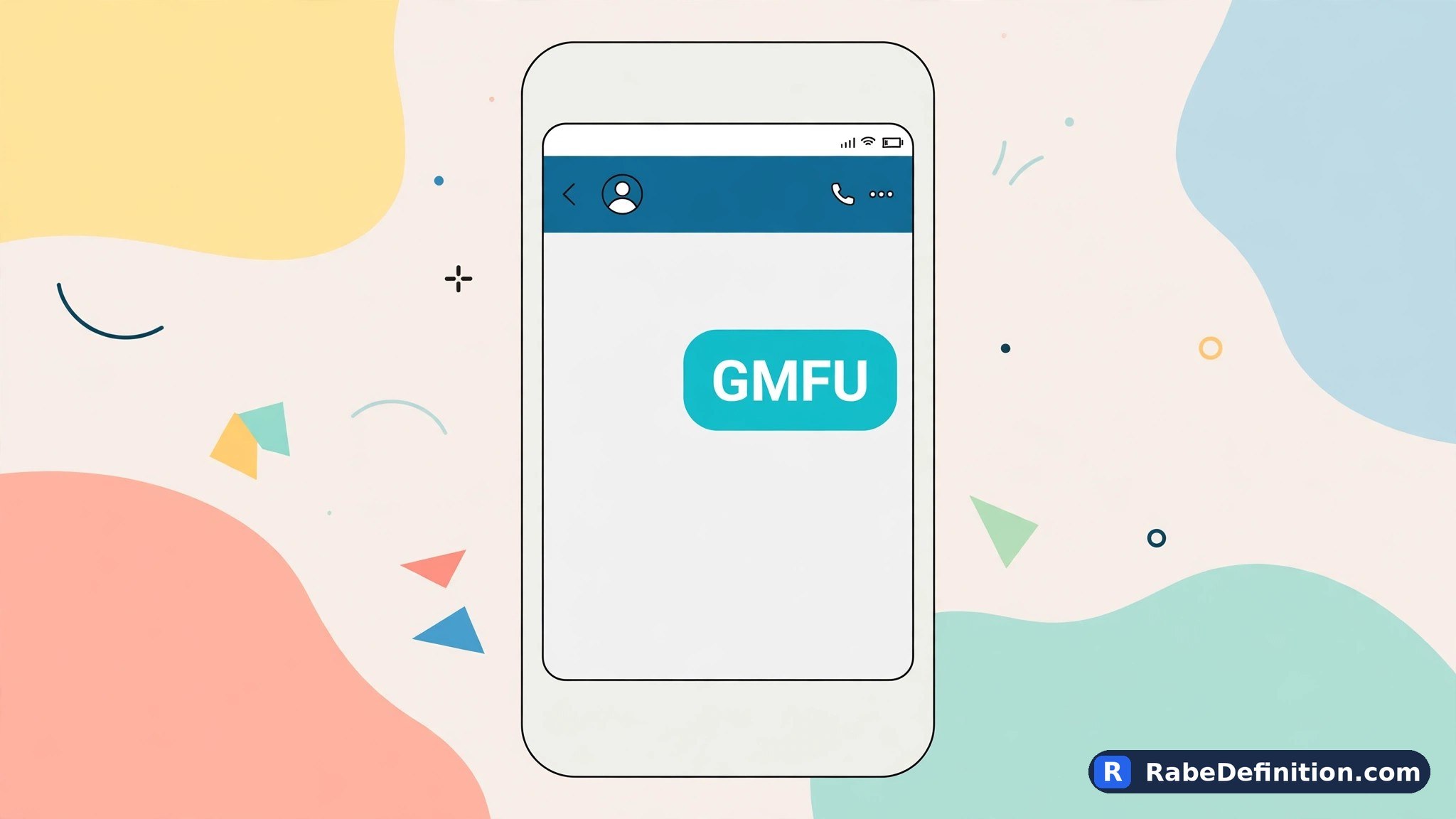
When someone asks what does gmfu mean, GMFU stands for “got me f***ed up,” slang people type when something shocks, annoys, or catches them off guard. It is a short way of saying a situation messed with your head or crossed a line. The phrase carries strong emotion, so it appears in heated moments far more than in calm conversation.
In real chats, GMFU works as an instant emotional reaction rather than a planned statement. Friends type it after surprising news or a story too wild to be true, and its tone swings from genuinely upset to playfully dramatic. That is why the same four letters can feel funny in one chat and confrontational in another.
This guide covers the meaning of GMFU, where people use it, and where it fits best. You will find examples, a comparison with slang like WTF and SMH, and simple replies to use. You will also learn when to avoid it and which cleaner alternatives carry the same reaction.
What Does GMFU Mean?
GMFU means “got me f***ed up.” People type it when something leaves them shocked, annoyed, or feeling disrespected.
GMFU describes your own reaction to what just happened, not the event itself. That personal focus gives it an edge, and it often stands as a complete reply. Said firmly, it can also mean “you have the wrong person,” almost like a warning.
How Do You Pronounce GMFU?
Most people say the letters one by one: G-M-F-U. In voice chats, some read the full phrase out loud for a stronger reaction, but in texting it almost always stays written.
Simple Meaning (In Easy Words)
Stripped of the slang, GMFU is a strong way of saying “that really got to me,” as in:
- “I can’t believe that just happened.”
- “That is not okay with me.”
- “You have the wrong idea about me.”
- “That honestly caught me off guard.”
Picture the face someone makes at shocking news mid-conversation: GMFU is its texting version.
Where Is GMFU Used?
GMFU lives in casual, fast-moving spaces:
- Text messages and group chats between friends
- TikTok, Snapchat, and Instagram comments and DMs
- Posts and replies on X
- Gaming chats after an unexpected loss
- Reaction videos and meme captions
You will rarely see it in work email or formal writing.
The same group chats where an SMT shortcut saves taps.
Often typed while OTG, between stops during a busy day.
GMFU on TikTok and Social Media
On TikTok, GMFU often appears in storytime captions, summing up a shocking moment before the full story. Commenters drop it under posts about unfair bosses or wild prices, and it travels well in hashtags and memes.
The same comment sections where an SNM confirms a plan in two seconds.
Why Do People Use GMFU Instead of Just Saying They’re Upset?
Plain words like “I’m upset” can feel flat when a reaction is big and sudden. GMFU packs shock, disbelief, and annoyance into four letters, matching the speed of a fast chat. It also adds drama on purpose, which is half the fun among friends.
Real-Life Examples (With Explanations)

These examples, written for this guide, show the range of tones GMFU can carry.
Example 1 — Genuine frustration
A roommate texts: “He moved out today and took the TV we split the cost on.” The reply: “GMFU. He didn’t even ask you first.” Real annoyance at something unfair, not a joke.
An IKYFL answer would fit the same wild story.
Example 2 — Playful and self-directed
A friend posts a video of you asleep on the couch, captioned: “GMFU, I set five alarms and still slept through them.” Aimed at yourself, it becomes comedy, not anger.
Example 3 — Gaming chat
After a teammate sells the item the squad spent an hour earning, someone types: “GMFU, we worked for that.”
GMFU vs Similar Terms (Comparison)
Several slang terms express shock or frustration, but each points at a different feeling.
| Term | Meaning | Intensity | Best Used For |
|---|---|---|---|
| GMFU | Got me f***ed up | High | Shock, annoyance, or disrespect |
| WTF | What the f*** | High | General confusion or shock |
| SMH | Shaking my head | Medium | Disappointment or quiet disapproval |
| FML | F*** my life | Medium | Frustration at your own bad luck |
| NFW | No f***ing way | High | Strong disbelief or a flat refusal |
| NGL | Not gonna lie | Low | Giving an honest opinion calmly |
The biggest difference is focus: WTF reacts to a situation in general, while GMFU says it hit you personally. FML is self-directed bad luck, and SMH is a cooler, quieter head shake rather than an outburst.
Tone and Context
GMFU can sound furious or funny, and the letters alone do not tell you which. A laughing emoji signals the playful version, while a short, bare “gmfu.” after serious news reads much heavier. Between close friends it is often pure performance, but with someone you barely know, it can read as a real accusation.
When Should You Use GMFU?
Good times to use it:
- Texting close friends who know your humor
- Reacting to genuinely surprising or unfair news
- Casual group chats and comment sections
- Playful reactions where nobody will misread you
Times to avoid it:
- Messages to a boss, teacher, or client
- Work chats, professional email, or school work
- Conversations with people you just met
- Moments where strong wording could sound like a threat
One test helps: if you would not say the full phrase aloud there, skip the acronym too.
How To Respond When Someone Uses GMFU
Match the sender’s tone, so read the messages around it first:
- “Right? That’s actually wild.” — Agrees and matches their energy.
- “Lol wait, what happened?” — Playful and curious, good when the tone is light.
- “My bad, let me explain.” — Calm and direct, useful when the reaction is aimed at you.
- “Honestly, same.” — Shows support for genuinely unfair news.
If it was serious and aimed at you, skip the jokes and explain honestly.
Reply fast, the way an RN update deserves.
Common Misunderstandings About GMFU
- “It always means the person is furious.” Not true; it is often playful, with no real anger behind it.
- “It is a brand-new term.” The phrase circulated in spoken slang and music long before the acronym.
- “It means the same thing as WTF.” Close, but GMFU feels more personal, while WTF covers general confusion.
- “It is always an insult.” Most of the time it describes the sender’s own reaction, not an attack on anyone.
- “All caps means real rage.” Caps often just add emphasis or comedy; tone comes from the whole conversation.
A Quick Look At Where GMFU Came From
The full phrase existed in spoken slang years before anyone shortened it. As texting rewarded faster replies, phrases became acronyms, the same path that produced WTF and SMH. Since slang origins are rarely documented precisely, treat any exact date or inventor story with caution.
Pro Tips For Using GMFU The Right Way
- Read the room first. Drop it only where the chat is already casual.
- Add an emoji when tone matters. A laughing face makes a playful meaning obvious.
- Know your audience. Close friends read it as drama; new contacts may read it as aggression.
- Do not overuse it. In every message, it loses impact fast.
- Switch to plain words when someone is truly upset. Slang can sound dismissive then.
Clean Alternatives to GMFU
For the same reaction without the strong word, try these clean swaps:
- “That’s wild.”
- “I can’t believe that.”
- “You’ve got to be kidding me.”
- “That is not okay with me.”
These stay safe for mixed company and family chats while keeping the same meaning.
FAQs
What does GMFU mean in text?
GMFU stands for “got me f***ed up,” a slang reaction to something shocking, unfair, or annoying.
People type it when a message catches them completely off guard.
Is GMFU rude to say?
It hides a swear word, so it is too strong for formal or professional settings.
Among close friends, it usually reads as casual, expressive slang.
Is GMFU always serious?
No, friends often type it as a playful overreaction to funny surprises.
Context and emojis show whether it is joking or genuinely upset.
What is the difference between GMFU and WTF?
WTF reacts to confusion or shock in general, while GMFU feels more personal.
GMFU means the situation affected you directly or crossed a line.
What can I say instead of GMFU?
Clean options like “that’s wild,” “no way,” and “I can’t believe that” carry a similar reaction.
They work in more settings because they skip the strong wording.
Final Thoughts
GMFU is a short, emotional slang reaction that means “got me f***ed up,” typed when something shocks, annoys, or leaves a person feeling disrespected. Knowing what does gmfu mean helps you read the feeling behind the letters instead of guessing at the words alone. The term belongs to casual spaces like texts, comments, and gaming chats, where quick reactions matter more than polished language.
Use it only with people who know your tone, and keep it out of work, school, and formal messages where strong wording can backfire. When a moment feels too heated, a cleaner reply like “that’s wild” carries the same reaction safely. Read context first, match the energy honestly, and the term lands without disrespect at all.