FYI Meaning in Text: What Does FYI Mean?
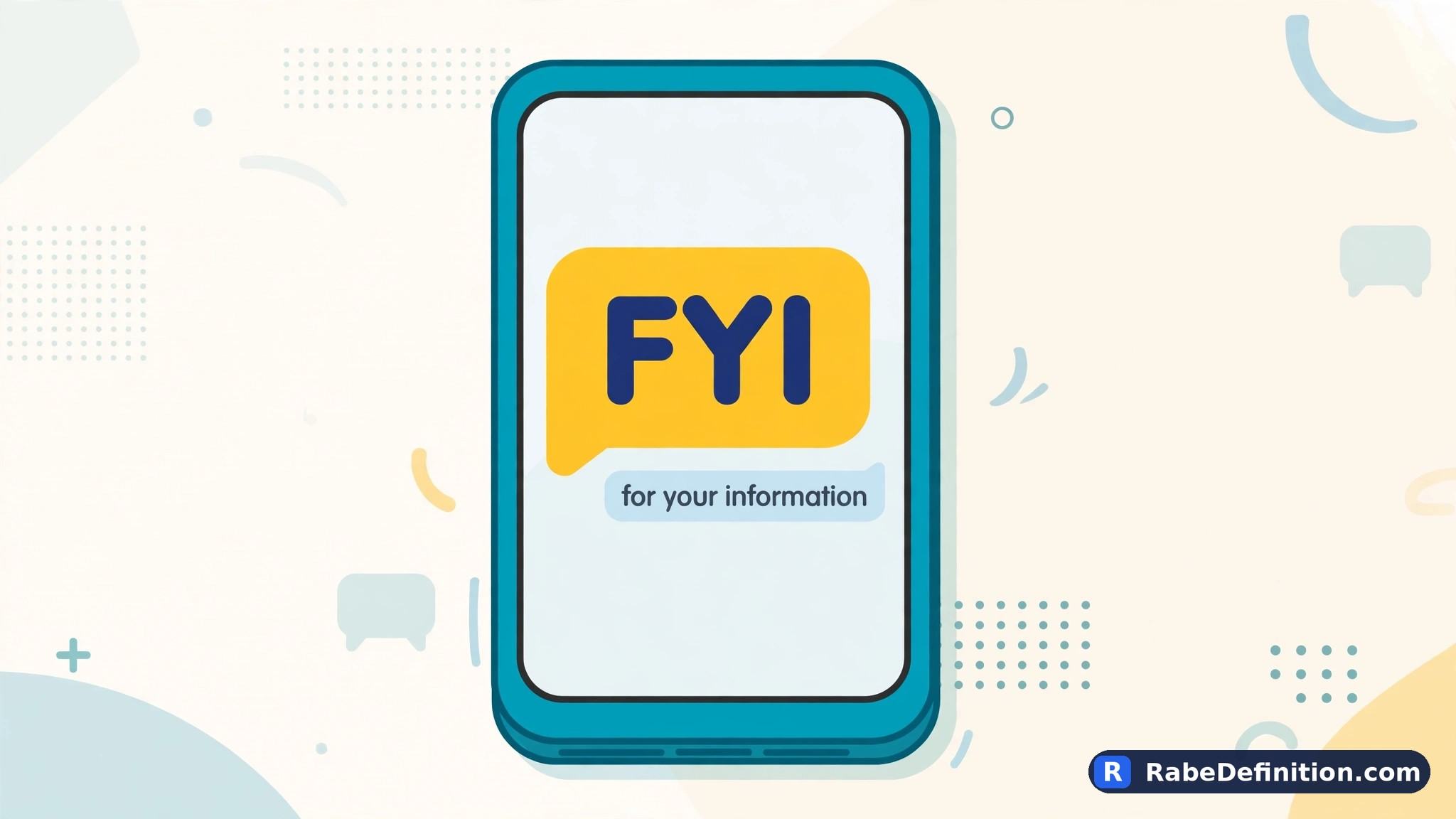
FYI stands for “for your information,” and the fyi meaning stays the same in a text, an email, or a work chat. People put it in front of a fact or update they think you should know about. It works like a short, friendly version of “just so you know.”
Most of the time, an FYI message asks for nothing back, which is why it feels light and low-pressure. The tone can shift, though, because a bare FYI placed before a complaint or a correction can read as cold or annoyed. The words that follow it, plus your relationship with the sender, decide how it really lands.
This article explains what FYI means in texting and at work, with plain examples of how people actually use it. You will see how it differs from BTW and ASAP, when it fits well, and when it is better left out. You will also learn simple ways to reply when someone sends you one.
What Does FYI Mean In Text?
FYI means “for your information.” People use it to pass along a fact, update, or detail that the other person may want to know.
The key point is what FYI does not do. It does not ask you to act, decide, or even reply. A message like “FYI, the office closes early on Friday” is complete on its own, and reading it is all that is expected of you.
Simple Meaning: FYI Explained Like You’re Talking To A Friend
Picture a friend about to drive across town to a bakery you know is shut today. You would probably text, “FYI, that place is closed on Tuesdays.” No order, no argument, just a saved trip.
That is the whole idea behind the term. FYI is a small flag that says, “This might help you, so here it is.” It carries no drama and no pressure.
Where Is FYI Used? (Platforms & Situations)
FYI is not tied to one app or conversation type. You will see it in places like these:
- Text messages, for quick updates between friends and family
- Emails, especially at work, where it often opens the subject line
- Workplace chats like Slack or Teams, for news that needs no reply
- Group chats, for schedule changes and announcements
- Customer service chats, for details about timing or policy
The setting changes the flavor a little: casual among friends, businesslike in email. The job of the word stays the same. They are the same quick chats where a brb pauses the talk.

FYI in Emails vs Texts
In a text, FYI is soft and casual, closer to chatting. Friends often write it in lowercase, and nobody expects a formal reply.
In email, it is a little more structured. It often appears in the subject line, sometimes in all capitals, to say the message is for reading only. Forwarded emails use it a lot, because the sender is handing over information without adding a task. Keep texts loose, and in work email give one clear sentence after FYI so the update is easy to file away.
Why Do People Use FYI?
The biggest reason is that FYI sets expectations in three letters. The moment you see it, you know the message brings information, not a request. That saves the reader from scanning the whole message for a hidden job.
It also saves time. Writing “FYI, parking is free after six” is faster than building a full sentence around the same fact, and busy chats stay free of needless “okay” replies.
Real-Life Examples Of FYI In Action
A text between friends: “FYI, I’m bringing my cousin to game night.” A simple plan update, shared so nobody is surprised later.
A work email: “FYI, the client approved the second draft.” No action is needed; the news itself is the point.
A family group chat: “FYI, Grandma’s birthday lunch is at noon, not one.” A schedule detail everyone needs.
A store notice: “FYI, the pharmacy counter closes at eight tonight.” A plain fact that helps customers plan.
A cooler, sharper use: “FYI, your mic was on during that whole call.” Still information, but the tone can sting a little.
How To Reply To An FYI Message
Because an FYI message asks for nothing, your reply can be short. “Thanks!” or “Good to know” is enough in most chats, and a reaction emoji works fine in casual ones.
If the update changes a shared plan, answer with the new detail, like “Got it, I’ll leave at five instead.” In work email, many people send no reply at all, and that is normal. A warm MYF turns a plain update into something kinder.
FYI vs Similar Terms: What’s The Difference?
Several short forms travel in the same circles as FYI, but each carries a different expectation.
| Abbreviation | Full Form | What It Signals |
| FYI | For Your Information | Information only, no action or reply needed |
| BTW | By The Way | A side note added to an ongoing chat |
| PSA | Public Service Announcement | A heads-up meant for a wider audience |
| ASAP | As Soon As Possible | Urgent action is being requested |
| RSVP | Please Respond | A reply or confirmation is expected |
| NB | Note Well | A detail that deserves extra attention |
The clearest line is between FYI and ASAP. FYI hands you a fact and asks for nothing, while ASAP hands you a job and a deadline. SMH reacts to news; FYI only delivers it.
When Should You Use FYI?
FYI fits when you share a fact someone may find useful later, and no reply is needed. “FYI, the library opens an hour late tomorrow” is a perfect fit. It also works well when forwarding an article or receipt, since it tells the reader why the item landed in their inbox.
When You Should Avoid Using FYI
Skip FYI when the message is urgent. “FYI, the building is being evacuated” buries serious news under a casual label, so use direct words instead. Avoid it before criticism, too, since “FYI, you missed two spots” reads as a scolding. In formal situations, “I am writing to let you know” sounds warmer and more respectful. A polite NTY declines without sounding like blame.
Common Misunderstandings About FYI
“FYI and BTW are the same thing.” They are close, but not identical. BTW adds a side comment to a topic already being discussed, while FYI can stand alone as the whole point of a message.
“FYI always sounds rude.” It does not. The abbreviation is neutral, and any rudeness comes from the words after it, not the letters themselves.
“FYI means a reply is expected.” The opposite is true. FYI usually marks a message that needs no reply at all.
“FYI is only texting slang.” It is not. FYI was used in office writing long before smartphones, and it still appears in formal email today.
Is FYI Rude Or Passive-Aggressive?
On its own, FYI is neither rude nor passive-aggressive. It is a plain label for information, and most readers take it that way. Problems start with what surrounds it.
An FYI attached to a correction or a complaint can feel like a jab. “FYI, the report was due yesterday” sounds less like sharing and more like blaming. If a message might land badly, soften the opening: “Just a quick FYI” keeps the same meaning with a warmer feel. A thinking hm can be misread the same way.
Pro Tips For Using FYI The Right Way
- Keep the fact short and clear, so the reader gets it in one pass.
- Use FYI for neutral news only; switch to direct wording for anything urgent.
- Do not pair it with criticism; rephrase corrections as kind sentences.
- In work email, put the detail right after FYI instead of hiding it in an attachment.
- When forwarding, add one short line of context.
- Reread the message as the other person, and soften anything that sounds like blame.
Other Meanings Of FYI
Some people guess the phrase stands for “for your interest,” which is a common mistake rather than a real second meaning. A television channel in the United States also carried FYI as its name for years.
None of this changes the fyi meaning you will meet in a message. If someone types FYI, they are sharing information, and the safest reading is always “for your information.”
Final Thoughts
FYI means “for your information,” and the fyi meaning is simply a friendly heads-up with nothing asked in return. It appears in texts, emails, group chats, and work messages whenever someone passes along a useful fact or small update. Read kindly, it is one of the easiest and most helpful shortcuts in everyday English writing, used by busy people everywhere.
Use FYI for neutral updates, keep the tone warm, and leave it out when news is urgent or critical. A short reply like “thanks” or “got it” is usually all a message like this needs. Handled with a little care, these three small letters keep people informed without adding any pressure or demanding a reply, at work or at home.
FAQ Section
What does FYI mean in a text message?
FYI means “for your information” in a text message. The sender is sharing a fact or update, usually with no reply or action needed.
Is FYI rude to use?
FYI is not rude by itself, because it is a neutral way to share information. It can feel cold only when it introduces criticism, a complaint, or a sarcastic remark.
Can I use FYI in professional emails?
Yes, FYI is common and accepted in professional emails. People often place it in a subject line or first sentence when forwarding information that needs no action.
What’s the difference between FYI and BTW?
FYI shares a piece of information that stands on its own. BTW, short for “by the way,” adds a side note to a conversation that is already happening.