Solace Meaning: What Does Solace Mean in Text and Everyday Life
The solace meaning is the comfort a person finds while sadness, grief, or worry is still present, not after it has passed. Reference books enter it twice over: as a noun for that relief and as a verb for giving it to someone else. A friend, a song, a quiet room, or a memory can all be the source, because the word names the easing, not the thing that causes it.
In a text or caption, the word usually signals that the writer is going through something and has found one thing that helps. It reads softer and more reflective than a plain “I feel better,” which is why it turns up in late-night messages, condolence notes, and posts about loss. Said out loud it sounds a touch formal, so most people save it for moments they genuinely mean.
This page explains the definition in plain words, then shows how the source of comfort changes what a sentence is really saying. It walks through fresh conversation examples, the tone the word carries, and supportive replies that fit when someone uses it with you. It also covers the word’s history, its closest synonyms, plus the confusions that lead readers astray.

What Does Solace Mean?
Solace names the easing a hurting person feels — comfort that arrives in the middle of grief or distress rather than after it — and, as a verb, the act of offering that comfort to someone else.
| Detail | Explanation |
|---|---|
| Meaning | Easing or support felt in the middle of grief or strain |
| Part of Speech | Mostly a noun; the verb use exists but is rarer |
| Tone | Thoughtful, sympathetic, a little formal |
| Common Use | Personal messages, captions, books, speeches, condolence notes |
| Formal or Informal | Standard English, at home in both registers |
One point settles early confusion: solace is a whole word, not initials. No hidden expansion exists, and no texting code sits inside the letters.
The noun does two jobs. It can name the feeling itself, as in “she took solace in the letter,” or the thing supplying it, as in “his evening walks were a solace.” The verb form — to solace someone — shows up mostly in older or literary writing, which is why the noun carries nearly all everyday use.
How to Pronounce Solace
Say “SOL-iss,” two syllables with the weight on the first. Dictionaries give the American sound as /ˈsɑː.ləs/ and the British as /ˈsɒl.ɪs/, a small vowel shift and nothing more. The word rhymes loosely with “promise,” and it never splits into separate letters the way an abbreviation would.
Solace Meaning in Text and Everyday Conversation
In a message, solace almost always points backward at a hard stretch and forward at the one thing softening it. A text that opens with a flag like icl asks to be read as the sender’s unfiltered view; a text built around solace is doing quieter work, telling you where the sender has been finding steadiness.
The source matters more than the grammar. “Talking to my brother has been my solace this month” credits a person. “The garden is my solace” credits a place and a habit at once. Either way, the writer is not claiming the problem ended — only that something is helping them carry it.
Because the word carries that weight, people rarely drop it into quick, practical chats. It belongs to the slower messages: the check-in after bad news, the caption under a memorial photo, the note that says more than “hang in there” without trying to fix anything.
What Can Provide Solace?
Almost anything steady can, which is why lists of sources vary so much from person to person. The regular categories look like this:
People. A sibling who calls every evening, a partner who sits nearby without advice, a friend who simply shows up.
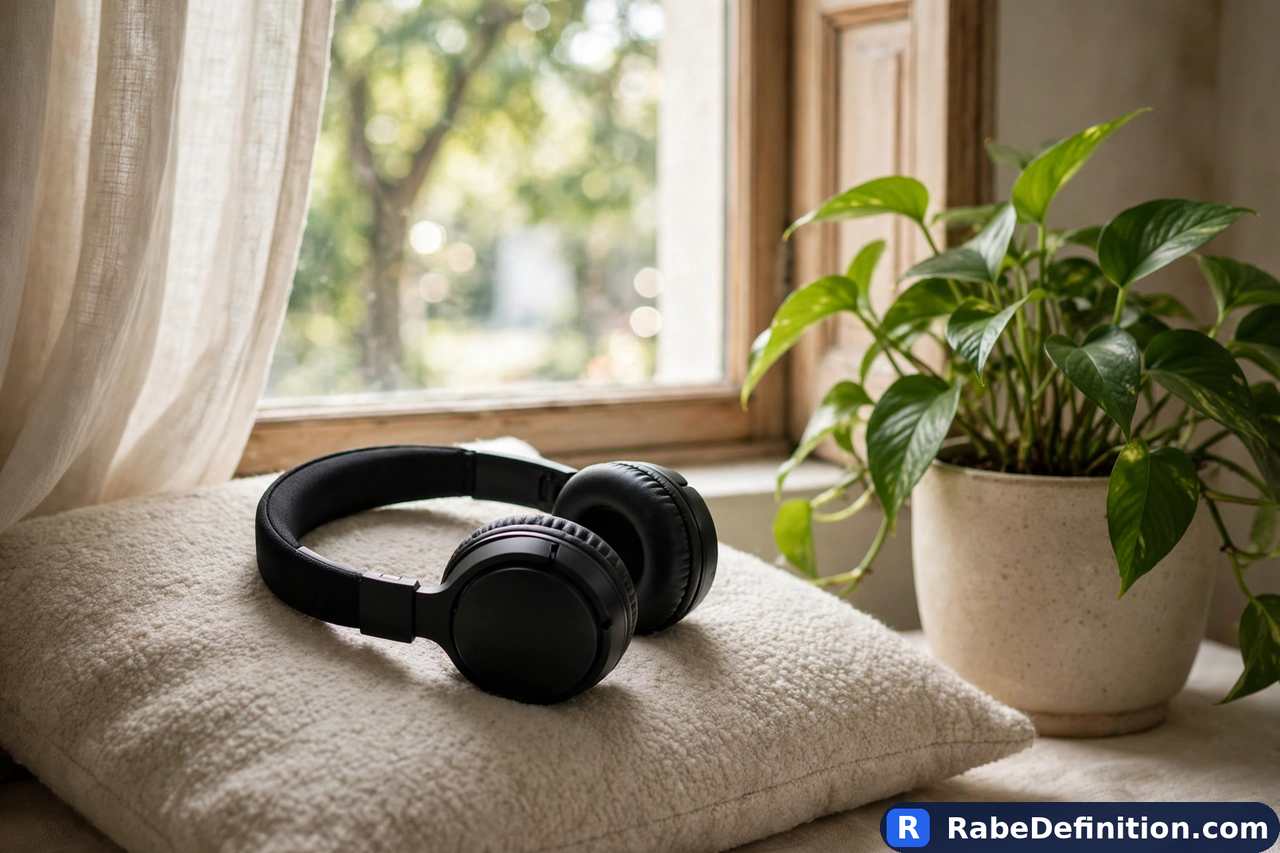
Habits and activities. Morning runs, cooking a familiar meal, journaling, prayer, or an hour with headphones on.
Memories. A voice note kept on a phone, a story retold at family dinners, the route a lost parent used to walk.
Places. A porch, a library corner, a trail, a room that has stayed unchanged while everything else moved.
Creative work. Drawing, playing an instrument, or writing things down can turn a heavy feeling into something with edges.
Notice what none of these do: none of them erase the hard thing. Solace sits alongside grief or stress and makes the load lighter, which is exactly why the word exists next to plainer words like help.

How Context Changes the Meaning
The core sense never moves, but the sentence around the word tells you which kind of comfort is on offer. Four settings cover most real uses.
1. Personal support
“My cousins have been my solace since the funeral.” Here the comfort is human: people checking in, staying close, and sharing the weight.
2. A comforting activity
“He finds solace in the workshop.” The activity itself steadies him — hands busy, mind given somewhere quieter to go.
3. Comfort after loss
“She took solace in his letters.” The letters cannot undo the loss, but rereading them keeps a connection alive and softens the evenings.
4. A broader source of peace
“They found solace out on the water.” No single person is credited; the setting itself, wide and quiet, does the calming.
Words nearby — grief, loss, healing, peace — usually confirm the reading within a line or two, so a quick look at the surrounding sentence settles any doubt.
Is Solace Slang?
No, and this is the point readers most often get backwards. Solace is ordinary, dictionary-listed English that predates texting by centuries. Meeting it inside an app does not turn it into slang, any more than meeting the word “grief” in a comment would.
There is also no shortened form, no emoji translation, and no platform-specific twist waiting to be decoded. If a caption says “my solace,” it means what a novel would mean by the same two words: the writer’s source of comfort during a hard stretch.
Where Solace Comes From
The word reached English through French, and its paperwork is unusually tidy. Merriam-Webster traces it from Middle English solas, borrowed from Anglo-French, which took it from the Latin solacium — itself built on solari, “to console.” The verb is the older half in English, recorded from the 13th century; the noun follows in the 14th.
That Latin root also explains the word’s close family. Console and consolation grow from the same stem, which is why the three words still overlap so heavily today. One false trail is worth closing: despite the similar opening letters, solace has no connection to solar or the sun — Merriam-Webster flags the pair as unrelated, since solar descends from the Latin sol, meaning the sun itself.

Meaning of Solace on Social Media and in Chat
Platforms change the packaging, not the definition. A caption under a sunset photo, a comment on a memorial post, and a private message to a grieving friend all lean on the word exactly as a book would.
What shifts is the audience. Public posts tend to use solace poetically and briefly — “finding solace in small routines” under a photo — while private chats spell out the hard part it answers. The same feeds that grade a dance clip zesty in one thread will use solace with complete sincerity in the next, because the word has only ever had the one register.
There is no TikTok sense, no Snapchat sense, and no Discord sense to learn separately. If the word appears, read it at full dictionary strength and look at what the poster names as the source.
Real Conversation Examples
1: Friends
Nadia: You went quiet after the layoffs. How are you doing, really?
Chris: Rough month. Honestly, the five-a-side games on Thursdays have been my solace.
Nadia: Then Thursday is sacred. I will drag you there myself if I have to.
Meaning: A regular game with friends is the steady thing helping Chris through a bad stretch at work.
2: Family
Mom: Your grandfather’s chair is still by the window. I sit there with my tea.
Elena: Has that been helping?
Mom: More than I expected. It is a small solace, but it is mine.
Meaning: A familiar place tied to memory gives her mother comfort while she grieves.
3: Social Media
Caption under a photo of a dog asleep on a rug: “Lost a lot this year. This old girl has been my solace through all of it.”
Top comment: “She knows. They always know.”
Meaning: The poster credits a pet as the constant source of comfort during a year of loss.
What Tone Does Solace Have?
Serious, warm, and reflective is the default setting. The word belongs to condolence cards, eulogies, and honest late-night talks, and it carries that gravity into casual settings too. It is almost never a joke word: dropping it into banter tends to sound odd rather than funny, because readers hear the grief underneath it.
That gravity is also what separates it from blunt labels. A term like dsl grades how someone looks and lands as a jab; solace grades nothing about anyone. It describes the speaker’s own comfort, which is why it so rarely gives offense.
Is Solace Rude?
No. Used about your own experience, it cannot really insult anyone — it simply names what has been helping you. The only rough edge appears when someone uses it to sound grand about another person’s pain, which is a delivery problem, not a problem with the word itself.
Is Solace Flirty?
Not on its own. Telling someone “you have been a solace to me” expresses deep gratitude and trust, and in a close relationship that can feel intimate. Still, the word points at comfort during hardship, not attraction, so reading romance into it without other signals is a stretch.
How to Reply When Someone Mentions Solace
The reply that fits is a human one, not a translation. Someone who names their solace is telling you what is holding them up; the natural move is to honor that, ask gently if they want to say more, and avoid rushing in with fixes. A response that performs support too loudly can tip into dtm territory — the feeling is real, but the volume works against it.
Supportive Replies
- “I’m glad the Thursdays are helping. Long may they last.”
- “She sounds like exactly the company you need right now.”
- “That chair by the window sounds like a good place to land.”
- “Whatever is helping, I hope it keeps helping.”
If You Want to Understand More
- “What is it about the games that settles you?”
- “Do you want company there, or is the quiet part of it?”
- “Has anything else been helping, even a little?”
Short is fine. A two-line reply that takes the person’s source seriously does more than a long speech about staying positive.
Solace vs. Comfort and Consolation: What Actually Differs
The three words overlap heavily, and most sentences survive swapping one for another. The differences are matters of weight and setting. Comfort is the broad everyday word: it covers physical ease, reassurance, and relief of any kind, big or small. Consolation leans toward comfort offered after a specific disappointment or loss, often by another person, and it can sound slightly formal. Solace sits closest to consolation but adds a reflective, almost literary tone, and it more often names the source itself — the walk, the music, the person — rather than the act of comforting.
A quick test helps: if the sentence is about easing pain in general, comfort fits. If it is about what carried someone through a genuinely hard season, solace is usually the word the writer wanted.
When to Use the Word Solace
Reach for it when the comfort you mean is tied to hardship and you want that tie visible in the sentence. Condolence messages, thank-you notes to people who stood by you, memorial posts, reflective essays, and honest conversations about grief or stress are its natural home.
It also earns its place when “comfort” feels too light for the facts. “Her letters were my solace that winter” tells a reader the season was hard and the letters mattered, in six words of setup. In formal writing — a speech, an obituary, a published piece — the word needs no apology at all.
How to Use Solace in a Sentence
The word slots into a handful of steady frames. “Find solace in” is the workhorse: “He found solace in long drives.” “Take solace in” suits comfort drawn from a fact: “She took solace in knowing the treatment was working.” “A source of solace” names the thing directly: “The choir became a source of solace for him.”
The verb frame is simpler and rarer: “She solaced herself with music” works, though most modern writers would choose “comforted.” When in doubt, the noun frames will always sound natural.
When to Avoid the Word Solace
Skip it where plain, fast language serves the reader better. Instructions, quick updates, and workplace messages about routine matters all read cleaner with “comfort” or “support,” because some readers — especially newer English speakers — may not know solace at all.
Also skip it when the moment is light. Announcing that pizza night was your solace after a mildly annoying Tuesday borrows gravity the situation has not earned, and listeners hear the mismatch. Save the word for the stretches where it is true.
Common Mistakes About Solace
Reading it as slang or an abbreviation. Readers who happily decode asl may go hunting for a full form here too. There is none: solace is a standard word with a Latin family tree, not a code.
Hearing happiness in it. Solace is not joy and does not claim things are going well. It names relief inside a hard stretch, and the hard stretch is part of the meaning.
Assuming the pain is over. Finding solace and finishing grieving are different events. A person can name their solace in the middle of the worst week of their year.
Confusing it with solitude. The words look alike and both involve quiet, but solitude means being alone. Solace can arrive through people, and often does.
Similar Words to Solace
| Term | Meaning | Main Difference |
|---|---|---|
| Comfort | Relief from pain or worry of any kind | The everyday all-rounder; covers physical ease too |
| Consolation | Comfort given after a loss or letdown | Usually something offered by another person |
| Relief | The easing when pain or pressure drops | Points at the drop itself, not what caused it |
| Reassurance | Words or proof that calm a worry | Works on fear and doubt more than on grief |
| Peace | A settled, untroubled state of mind | Describes the destination, not the help getting there |
The overlap is real, but the center of gravity differs in each case, and solace keeps the hardship in frame in a way the others do not always bother to.
What to Say Instead of Solace
- “Comfort.” — the plain swap, clear to every reader.
- “That helps me cope.” — says the same thing in everyday words.
- “A real support.” — best when a person is the source.
- “It gets me through.” — casual, warm, and honest about the hard part.
- “My steady thing.” — informal phrasing for a habit or routine that helps.
Each option trades a little of the word’s reflective weight for instant clarity, which is the right trade whenever the audience might pause over the original.
Origin and Popularity
Nothing about this word went viral, because nothing needed to. Solace has been in steady English use for centuries, carried by sermons, novels, poems, and ordinary letters long before it appeared in captions. No creator, platform, or trend can be credited with it, and any claim naming one should be read as a guess.
Its modern visibility is simply the old word doing its old job in new places. People still lose jobs, parents, and pets, and they still reach for the most precise word for comfort-inside-hardship when they write about it. That is the whole story of its popularity: the need never went away, so neither did the word.
Frequently Asked Questions
What does solace mean in text?
In a text it names comfort found during a hard stretch, usually tied to a person, habit, or place.
The sender is sharing what helps them cope, not reporting that everything is fine now.
Is solace rude?
No. The word is respectful and sympathetic, and it is most at home around grief, stress, and loss.
It only sounds off when it is dropped into a joke where plain, light wording belongs.
What does solace mean on TikTok?
On TikTok it keeps its standard sense, turning up in reflective captions and comments about hard days.
There is no separate platform definition, and the word is not slang there either.
How should you reply to solace?
Acknowledge the comfort the person named, and let them know you are glad something helps.
Asking what has helped most, or simply offering to listen, fits the moment well.
Can solace have different meanings?
The noun names the comfort or its source, and the verb means to give that comfort to someone.
Both uses stay inside the same idea: easing grief or distress, never removing it outright.
Final Thoughts
The solace meaning stays steady wherever you meet it: comfort or relief found while grief, stress, or disappointment is in the room. It is ordinary dictionary English, a noun for the easing itself and a verb for offering it, with no slang sense and no hidden full form hiding behind it either.
Read the word by its source and its setting: a person, a routine, a place, or a memory is doing the comforting, and the sentence around it sets the weight it carries. Answer it with warmth rather than decoding, and reach for plainer words like comfort or consolation when the room calls for everyday language instead of a formal one. Used that way, the word keeps its honesty.