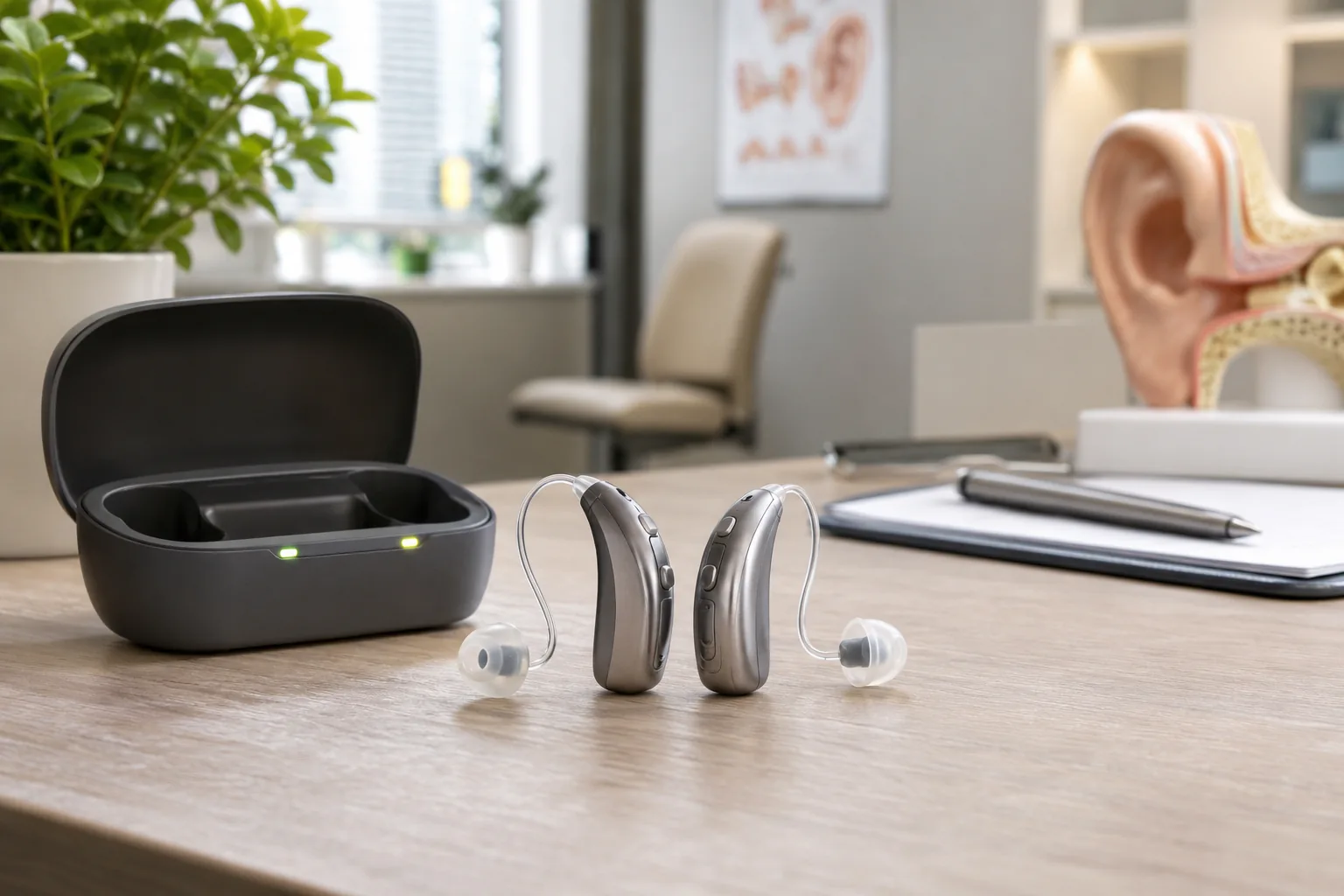
Understanding the Costs of Digital Hearing Aids
Digital hearing aids can make everyday communication easier for people who experience hearing loss. They help users hear speech more clearly, follow conversations, and take part in daily activities with greater confidence. However, choosing a suitable device also involves understanding the financial commitment. The digital hearing aid price can vary depending on the technology, design, professional services, and ongoing care included with the purchase.
Some hearing aids provide essential sound processing, while others include wireless connectivity, automatic adjustments, rechargeable batteries, and advanced noise management. These differences help explain why prices can vary between models, even when their main purpose is similar.
Understanding the factors that affect hearing aid costs can help buyers make practical decisions. Instead of focusing only on the initial price, it is important to consider comfort, performance, maintenance, and the level of support available after purchase. With the right information, consumers can compare options more confidently and choose a device that suits their hearing needs and budget.
How Technology Influences Hearing Aid Prices
Modern digital hearing aids use small microphones, processors, and speakers to capture and adjust sound. The microphones collect sounds from the surrounding environment, while the processor analyses them and changes the output according to the device’s settings. The speaker then delivers the adjusted sound to the ear.
The quality and capabilities of these components can affect the price. Basic models may provide reliable amplification and straightforward sound adjustments. More advanced devices can process different types of sound, manage background noise, and adapt to changing listening environments.
Wireless connectivity is another feature that may increase the cost. Compatible hearing aids can connect to smartphones, televisions, and other electronic devices, allowing users to stream calls and audio directly into their ears. This can be especially useful for people who regularly make phone calls or watch television.
Some models also offer rechargeable batteries, reducing the need to purchase disposable replacements. Although rechargeable devices may have a higher initial price, they can provide everyday convenience and help reduce battery-related expenses.
Artificial intelligence and automated sound processing are also becoming part of some hearing aid designs. These technologies can help devices recognise different listening environments and adjust their settings. However, additional technology is only worthwhile when it provides benefits that match the user’s needs.
Research and Manufacturing Expenses
Developing a digital hearing aid requires careful planning, testing, and investment. Manufacturers must design compact components that can deliver suitable sound quality while remaining comfortable to wear. The devices also need to function reliably during everyday use.
Research and development contribute to the final price because companies invest in improving sound processing, reducing feedback, extending battery performance, and making controls easier to use. New features often require repeated testing before they are ready for consumers.
Manufacturing also presents practical challenges. Hearing aids contain small electronic components that must fit into compact housings. These parts need to work together consistently, even when the device is exposed to moisture, earwax, or frequent handling. Quality checks help ensure that products meet appropriate performance and safety requirements.
Manufacturers must also consider packaging, product testing, technical support, and warranty arrangements. These expenses can form part of the overall cost of bringing a hearing aid to market.
However, research and manufacturing costs do not explain every difference in retail prices. Product demand, competition, distribution arrangements, and professional services can also affect how much consumers pay.
Brand Differences and Market Competition
The brand can influence the price of a digital hearing aid, but it should not be the only factor in a purchasing decision. Established manufacturers may offer a broad selection of models, technical support, compatible accessories, and professional fitting networks. Their investment in product development and customer service may be reflected in their pricing.
Different brands may also focus on different needs. Some offer straightforward devices designed for everyday listening, while others concentrate on advanced connectivity, discreet designs, or automatic adjustments in challenging sound environments.
Competition between manufacturers gives consumers more options. Companies may introduce new features, improve existing products, or offer different price levels to appeal to a wider range of buyers. This can make it easier to find a suitable device without paying for every available feature.
When comparing brands, consider sound quality, comfort, ease of use, warranty coverage, and access to professional assistance. It is also useful to ask whether the hearing aid can be adjusted as listening needs change.
A higher price does not automatically mean that a product is the best choice. The most suitable device is one that addresses the user’s hearing difficulties and provides useful features at a reasonable overall cost.
Distribution and Professional Services
How a hearing aid reaches the consumer can influence its final price. Some products are sold directly to customers, while others are supplied through hearing care clinics or specialist retailers. Each approach may involve different operating costs and service arrangements.
Specialist providers often offer more than the device itself. Their services may include hearing assessments, product recommendations, fitting appointments, adjustments, and follow-up support. These services require trained staff, suitable equipment, and time, all of which can contribute to the total purchase cost.
Direct purchasing may appear less expensive, but consumers should check what is included. A lower advertised price may not cover professional fitting or the adjustments needed to make the device comfortable and effective.
For people with specific hearing requirements, professional guidance can be particularly valuable. An appropriate assessment helps identify the type and degree of hearing loss, while careful fitting can improve comfort and sound performance.
Before purchasing, ask for a complete breakdown of the price. Find out whether appointments, accessories, repairs, and aftercare are included or charged separately. Comparing the full package provides a clearer picture of value than comparing device prices alone.
The Cost of Customisation
Hearing aids need to suit the user’s hearing profile, ear shape, and daily routine. Personalisation helps ensure that the device provides appropriate sound output while remaining comfortable during regular use.
The process may begin with a hearing assessment, followed by recommendations based on the results. A professional can then programme the device to suit the user’s hearing needs. Further adjustments may be required after the wearer has spent time using the hearing aid in different environments.
Some devices use custom-made ear moulds or shells to provide a more individual fit. These options can be helpful for people who find standard designs uncomfortable or unsuitable. However, customisation may add to the overall expense.
The number of adjustments required can also influence the amount paid, particularly when follow-up appointments are not included in the initial package.
Personalisation should be considered an important part of choosing a hearing aid rather than an unnecessary extra. A device with impressive features may still be unsuitable if it does not fit properly or cannot be adjusted to meet the user’s needs.
Insurance and Financial Assistance
The amount consumers pay may depend on their insurance coverage or eligibility for financial assistance. Some policies cover certain hearing-related expenses, while others exclude hearing aids or provide only limited benefits.
It is important to review the policy before making a purchase. Check whether the coverage applies to the device, hearing assessment, fitting appointments, repairs, and replacement parts. Some plans may also require approval or the use of specific providers.
Financial assistance may be available through eligible support programmes, charities, or other organisations. The requirements vary, so consumers should confirm the latest eligibility conditions and application process with the relevant provider.
Payment plans can offer another way to manage the expense. Before agreeing to one, review the repayment schedule, interest charges, and any additional fees. Understanding the full amount payable helps prevent unexpected financial pressure.
Taking time to investigate these options can make a suitable hearing aid more affordable and reduce the risk of choosing a device based solely on its upfront price.
Maintenance and Long-Term Value
The purchase price is only one part of the cost of owning a digital hearing aid. Regular care, replacement accessories, and occasional repairs may contribute to the total expense over time.
Depending on the model, users may need to replace batteries, clean the device, change wax filters, or purchase new ear tips. Rechargeable models reduce the need for disposable batteries, but their charging equipment and battery performance should still be considered.
Good maintenance can help keep hearing aids working properly. Following the manufacturer’s cleaning instructions and arranging professional checks when necessary may help identify problems before they become more serious.
Warranty coverage is another important consideration. Some packages include repairs for a set period, while others provide more limited protection. Buyers should check what is covered, how long the warranty lasts, and whether accidental damage or replacement accessories are excluded.
A hearing aid with a higher initial price may offer better long-term value if it provides suitable performance and dependable support. Equally, a less expensive model may be a sensible choice when it meets the user’s needs without unnecessary extras.
Making a Confident Purchasing Decision
The digital hearing aid price reflects several factors, including technology, manufacturing, brand positioning, professional services, and maintenance requirements. Understanding these costs helps consumers compare products based on more than their advertised prices.
Before choosing a device, consider the listening situations that cause the greatest difficulty. Someone who mainly needs help with conversations in quiet settings may have different requirements from someone who regularly attends meetings or spends time in busy public places.
Ask a hearing care professional to explain the differences between suitable models and identify which features are likely to make a meaningful difference. Request a complete cost breakdown and check the availability of follow-up appointments, repairs, and warranty support.
Listening Lab can be a useful starting point for exploring digital hearing aids, their features, and their prices. Comparing available options alongside professional advice can help consumers make a more informed choice.
Ultimately, the best hearing aid is not necessarily the most expensive one. It is the device that provides appropriate hearing support, feels comfortable, and offers good value over time. By balancing personal needs with the total cost, buyers can make a practical decision that supports clearer communication and everyday confidence.
Continuing the conversation around useful ideas and emerging topics, World Fame Blogs offers further reading across several subject areas.